Enigmatic and unknown to the masses, Mozambique enchants with its coastline dotted with palm trees swaying in the wind, its traditions, culture, atmosphere and above all its many opportunities for adventure lovers. Malawi, misty and exotic, offers enchanting landscapes and the third largest lake in Africa in which to indulge in diving, snorkelling and kayaking. Here is the ideal tour to discover these jewels of Africa.
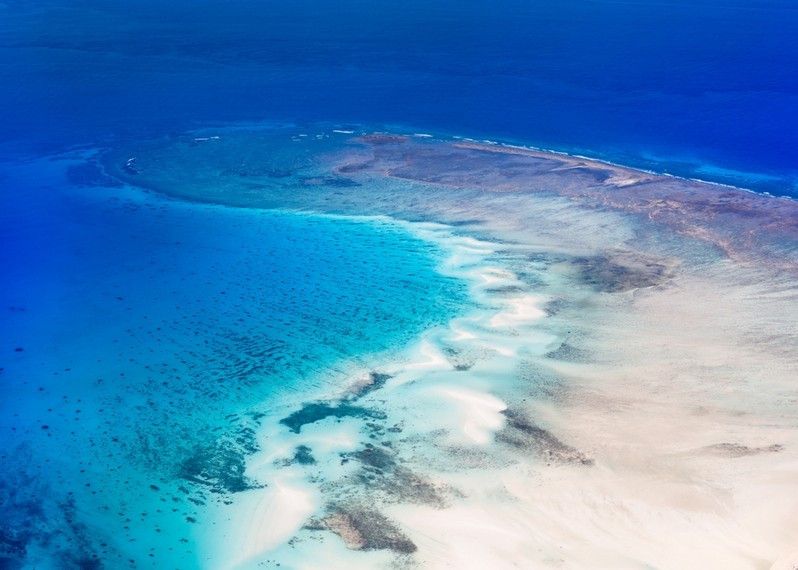
Aerial view of the Quirimbas archipelago, Mozambique. ©BlueOrange Studio/Shutterstock
Visiting Mozambique: an itinerary
From Pemba to Murrébuè
We set off from Pemba, a town jutting out into the magnificent Baía de Pemba, one of the world's largest natural harbours, before moving on to nearby Murrébuè. Here you will have the opportunity to kitesurf between quiet white sandy beaches and spectacular turquoise ocean waters.
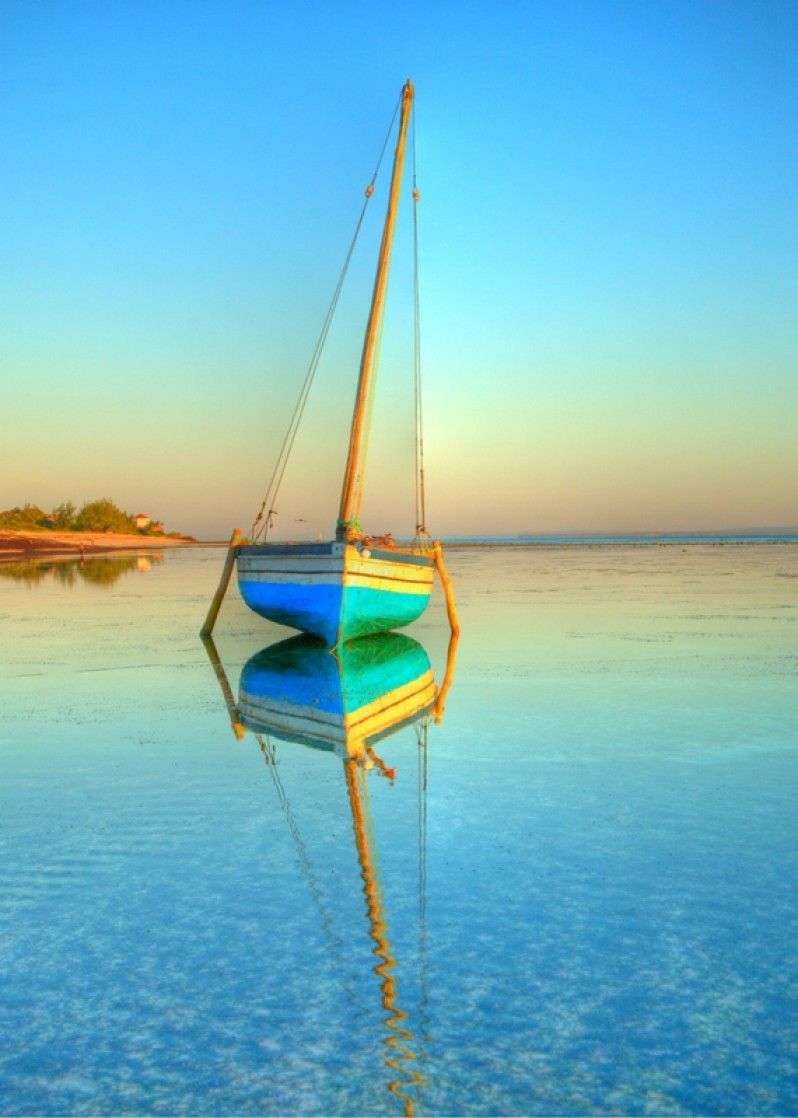
A dhow on a beautiful morning, Mozambique. ©jacojvr/Getty Images
Arquipélago das Quirimbas: the pirates' treasure trove
It's time to charter a dhow and spend a few days exploring one of the other islands of theArquipélago das Quirimbas. Hidden like pirate treasure off the northern coast of Mozambique, the islands of the Arquipélago das Quirimbas hide a multitude of secrets, such as the magnificent coral reefs of Medjumbe and the ancient baobabs of Quilaluia. But none of the 31 islands can match the mysterious Ibo. Marked by its turbulent history and now an effervescent mix of Portuguese, Swahili, Indian and African cultures, Ibo seems to have fallen into a state of torpor around 1850, a torpor from which it still does not seem to have awoken. The best time to visit is on an evening lit by the full moon, when the old colonial houses take on an almost surreal appearance.
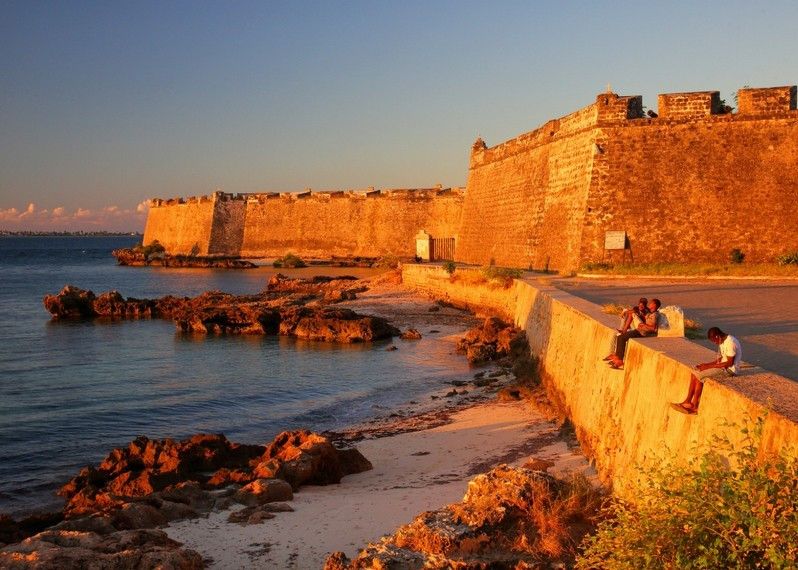
Mozambique Island, Fort Sao Sebastiao in the evening light. ©Yury Birukov/Shutterstock
Walking from one island to another
Get ready for a unique excursion: walking from Ilha do Ibo to neighbouring Ilha de Quirimba, a little further south. At low tide, the two islands are joined by a series of sandbars. Rely on a guide who knows the tides and can navigate along narrow channels through dense mangrove swamps.
Once on the Ilha de Quirimba, enjoy a fish lunch at one of the families living in the beach village. You can then explore the long, pristine beaches or observe how life goes on in a Mozambique village as you wait for the tide to rise, then return in a small boat as you zigzag through the mangrove tangle.
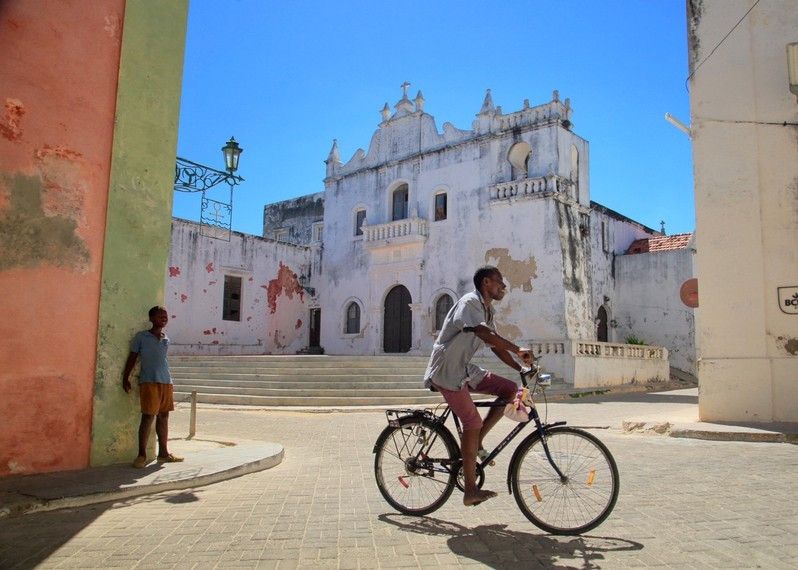
Ilha de Moçambique, Mozambique. Portuguese Church of Mercy. ©Yury Birukov/Shutterstock
Subscribe to our newsletter! For you weekly travel tips, special offers, stories from around the world and 30% discount on your first order.
Ilha de Moçambique - UNESCO World Heritage Site
Dhows glide silently over shallow water, colonial buildings age slowly and elegantly in the tropical heat, while the voices of a church choir compete with the muezzin's call to prayer. The island is one of Africa's most important historical gems and was almost forgotten until 1991, when it was declared a UNESCO World Heritage site. Still little regarded by most visitors, this tiny island (500 m wide and 3 km long) is home to a group of romantic buildings called Cidade de Pedra (City of Stone).
Must-try: matapa de siri
You cannot leave Ilha de Moçambique if you have not tasted matapa de siri siri. A local version of the typical matapa - cassava leaves chopped and simmered with garlic, onion, coconut milk and cashew nuts - replaces the cassava leaves with a local seaweed. Sometimes prawns are added to the recipe.
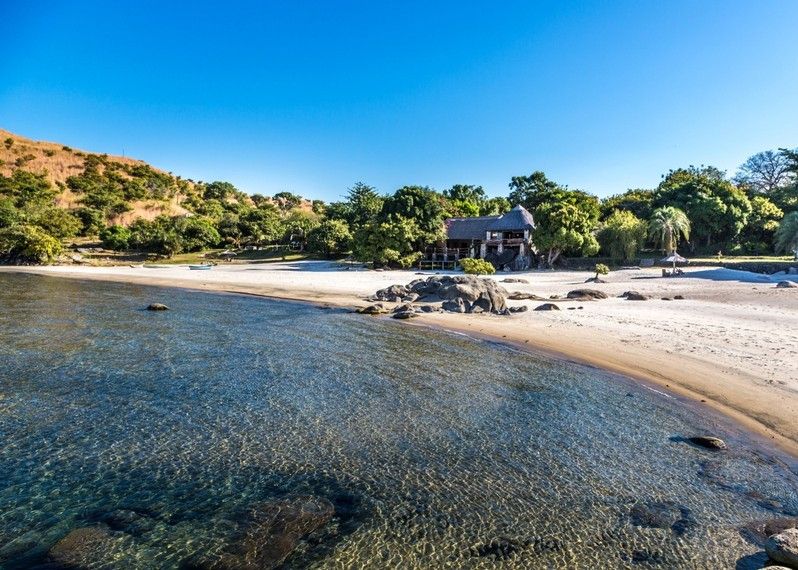
View of Lake Malawi in Nkhata Bay, Malawi. ©LMspencer/Shutterstock
Travelling in Malawi: one discovery after another
Visit Cape Maclear
Cape Maclear is a long stretch of fine sand framed by mountains and lapped by shimmering waters. During the day, the bay glows blue, dotted with islands and sleepy, pastel-coloured fishing boats, while the shoreline is a slice of local life, with women doing laundry and washing children, fishermen hanging red nets out to dry in the sun and tourists peeping into the verandas of the cabañas set up on the sand.
In the afternoons, the streets come alive with the gospel songs of the choirs that congregate in the back streets, while in the evenings reggae dominates from the tin loudspeakers of the bars under the baobabs. Much of the area around Cape Maclear falls within the boundaries of the UNESCO World Heritage-listed Lake Malawi National Park.
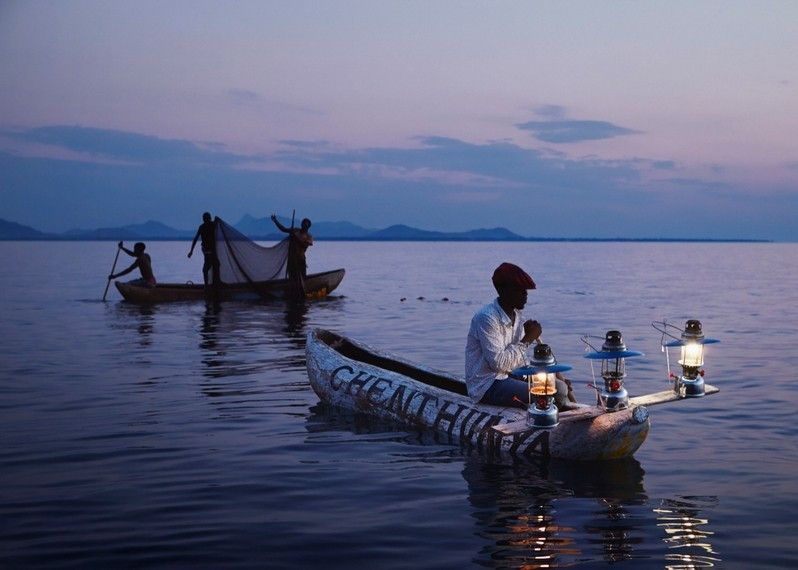
A fisherman on Lake Malawi at dusk. ©Jonathan Gregson/Lonely Planet
All the activities in Nkhata Bay
With fishermen's boats plying the bay's green waters, bustling market stalls selling grilled fish and reggae music filling the air on languid afternoons, Nkhata Bay has an almost Caribbean feel. However, there are many activities to engage in before enjoying lazing in the hammocks, including snorkelling, diving, feeding fish eagles, kayaking and forest walks.
Recommended guides and products:
Travel guide
Zambia, Mozambique and Malawi
Chizumulu Island
Due to the island's remote location and infrequent ferries, few travellers make it as far as Chizumulu. Here, the crystal clear blue waters and white rocky outcrops lend a Mediterranean flavour to the place, while the dry bush in the background is reminiscent of Australian landscapes.
Swimming at Likoma Island
The beautiful, flat and sandy Likoma Island is dotted with baobab trees and offers a sweeping view of Mozambique's wild coastline. Activities such as snorkelling, diving and other water sports are possible on its many pristine beaches.
Published in August 2021