Choosing to adopt a sustainable tourism ethic does not mean never taking a flight again or necessarily travelling to unknown places. An alternative is to choose to visit destinations that promote initiatives to minimise the impact of tourism on the environment.
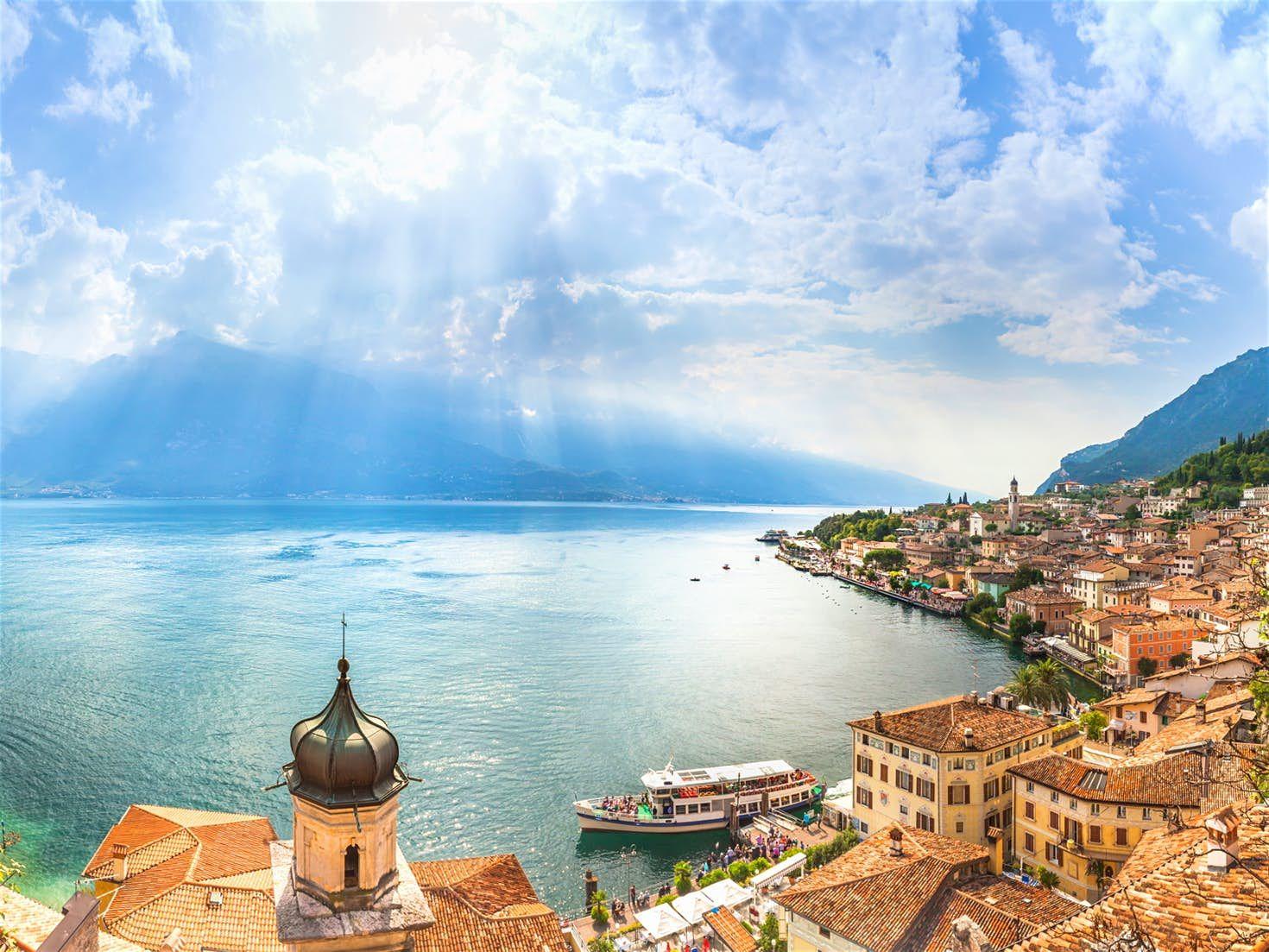
All the beauty of Lake Garda from above © Lukasz Szwaj / Shutterstock
Travelling is a positive driver in many ways, so get your desire to discover the world in a sustainable way off the ground with these destinations that are contributing to the cause: from choosing hotels committed to reducing energy consumption to innovative tours and activities designed to make a difference within the community in which they operate and to help the survival of flora and fauna.
Lombardy
Lake Garda
While the rich shores of Lake Como attract celebrities like George Clooney, when it comes to the environment no one is cooler than Lake Garda. Italy's largest lake can be reached by train from Milan, giving visitors the option of leaving their cars parked at home, and is home to some of the country's greenest hotels.
The Leafy Resort and Spa offsets 100 per cent of its CO2 emissions and obtains 60 per cent of its energy from renewable sources. The hi-tech materials it is built with minimise heat and energy loss and the roof is covered with vegetation to reduce pollution and preserve local flora and fauna. If you feel guilty because you had to take a plane to Milan, you can always combat the stress with a massage at the spa, the first in Italy to be awarded the Ecocert Ecological Spa certificate.
Switzerland
Arosa, Switzerland
Arosa is home to Hotel Valsana, the first hotel in Switzerland to be heated by an 'ice battery', an energy recovery system that reuses excess energy that would otherwise be dispersed into the surrounding space. But this charming Alpine village also does more to help the environment. Several hotels have charging points for electric cars and there is also a free charging point in the centre of the town.
The area has also been awarded the status of Alpine Pearl, recognising its achievement in sustainable mobility and eco-conscious practices. The Alpine Pearls association, subsidised by the European Union, was created to promote and support communities that excel in sustainable tourism.
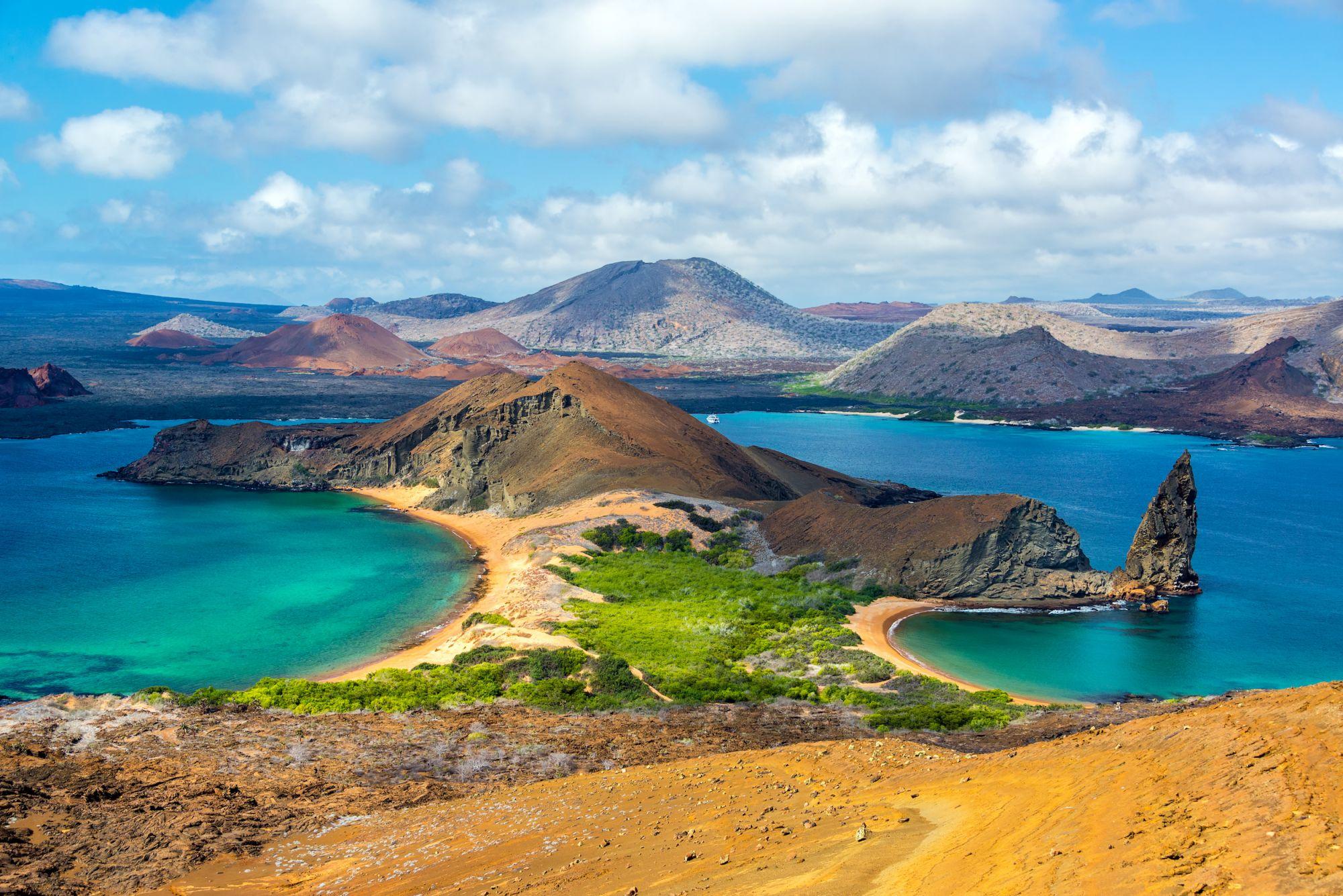
The spectacular landscape of the Galápagos Islands, Ecuador ©DC_Colombia/Getty Images
Subscribe to our newsletter! For you weekly travel tips, special offers, stories from around the world and 30% discount on your first order.
Galápagos Islands, Ecuador
A trip to the remote Galápagos Islands is high on many travellers' wish list, but their isolation coupled with the great attraction they provoke in travellers means that they risk choosing polluting transport options to reach them. The good news? Numerous facilities are working to protect this fragile ecosystem and compensate for the environmental damage caused in reaching them.
Believe it or not, these innovative, zero-pollution hotels are made of metal because it is the easiest material to recycle. Walls are covered with volcanic stone harvested in areas of the Galápagos where it is allowed, while doors and furniture are made of teak. Some facilities also include a reforestation programme (10000 endemic species have been planted so far), while water is recovered through a rainwater recycling system. Most tour operators specify their credentials regarding environmental sustainability, but always check before booking and, if possible, travel in small groups so as to be of less impact on the ecosystem.

Many establishments in the Bahamas have chosen a more active approach to environmental protection ©Mark Gillow/Getty Images
Bahamas
Recently, several establishments in the Bahamas have chosen a more active approach to environmental protection. The Kamalame Cayon Andros Island, for example, offers cuisine rich in lion fish, an invasive species that feeds on indigenous fish and destroys the local ecosystem; The Other Side hotel, on the other hand, is completely solar-powered.
At the Tiamo Resort all products are certified to minimise pollution, water is heated with solar panels and all staff are selected from locals to support the local community.
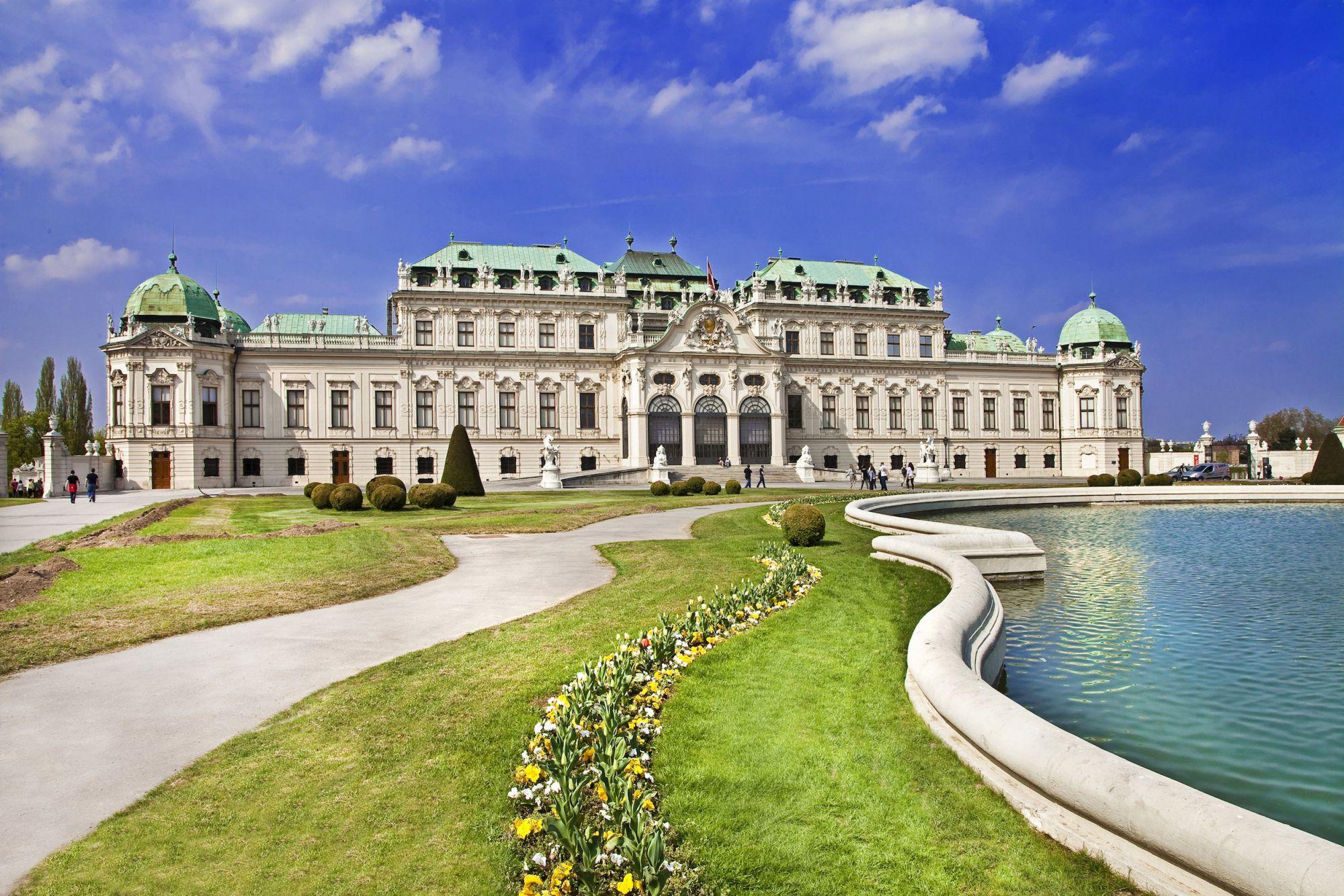
Belvedere Castle, Vienna ©leoks/Shutterstock
Werfenweng, Weissensee, Ramsau and Vienna, Austria
Werfenweng is a pretty lakeside town that is changing the face of sustainable tourism. Anyone arriving at the railway station can use a free shuttle service (to encourage visitors to leave their cars at home). In addition, for EUR 10 you can buy a SAMO pass, which grants access to a fleet of environmentally friendly vehicles, from electric cars to bicycles.
But Werfenweng is not the only one: in Weissensee, the Hotel Gralhof uses an environmentally friendly wood heating system and has a completely organic kitchen, while in Ramsau you will find the Ramsau Bioniere: an initiative that unites hotels, farms and guesthouses that are committed to reducing waste production, avoiding energy waste and using organic products.
Vienna is proof that being a significant green capital does not have to compromise on cultural offerings. In 2017, it was judged the most liveable city in the world by a Mercer study. In the city you will find 2,000 parks, the new Green Taxi programme that employs 370 hybrid cars, the largest number of organic farms in a city (more than 800 hectares and three urban farms), 120 bike-sharing stations and a network of 1,300 kilometres of cycle paths.
Ecuador and Galapagos
Catalonia, Spain
Catalonia is the first region to be awarded the Biosphere Responsible Tourism certificate, a programme supported by Unesco and the GTSC (Global Sustainable Tourism Council) that recognises the symbiotic relationship between humans and nature in this region. And it's easy to be eco-sustainable on a trip here: look for businesses that display the EU Ecolabel, which certifies those who have distinguished themselves through high quality, eco-friendly products and services.
Some of Catalonia's main attractions are old coal, lead and salt mines that have been transformed into eco-sustainable cultural centres. Walk among dinosaur fossils in the open-cast mines of Fígols-Vallcebre Fumanya, now a site dedicated to palaeontology. Another area not to be missed is the Parc Cultural de la Muntanya de Sal: after the closure of the mine in the 1990s, the park now offers the opportunity to learn a lot about the unique geology of the region.

Soon in Costa Rica even coffee will be eco-sustainable © Karla Ferro / Shutterstock
Costa Rica
Costa Rica aims to become one of the first carbon-free destinations and promises to reach the goal in 2021. Almost all electricity demand is met by renewable sources and the United Nations was so impressed by the country's efforts that they made the former president, Luis Guillermo Solís, a special ambassador of the World Tourism Organisation.
His next project involves a total transformation of the production of one of the world's most famous beverages: coffee, being Costa Rica's most exported product, but also a major source of carbon emissions. The Coffee Institute of Costa Rica is working together with the Ministry of Agriculture to develop a process that will channel the gas released from decomposing raw materials and use it to fuel production.