Get ready for a whirlwind of festivities, excitement and temptation as you discover Germany on a trip through its picturesque landscapes, refined cultural scene, big-city art, romantic castles and traditional villages. Whatever you are looking for, you will find an itinerary full of things to see and do that will suit you.
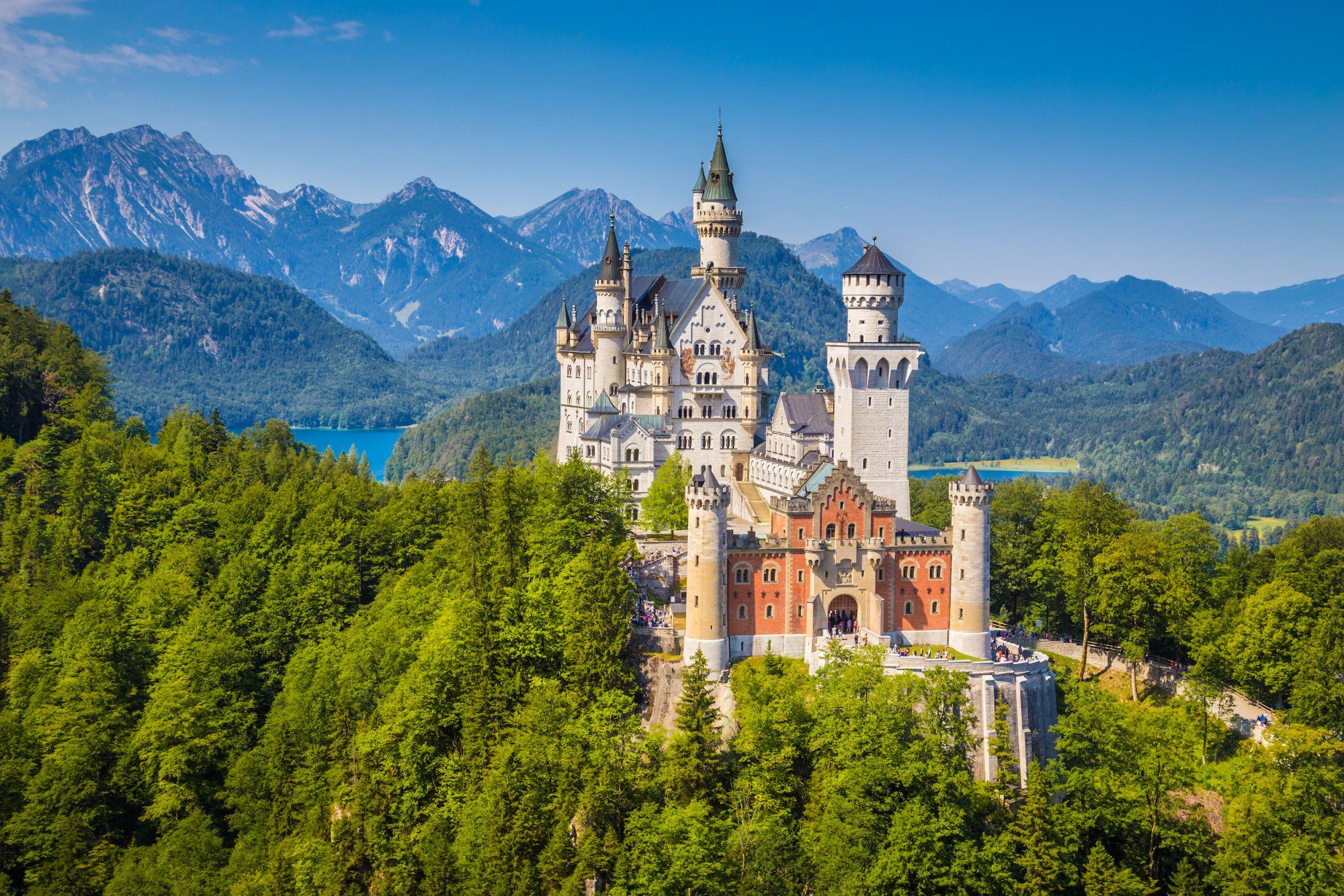
Schloss Neuschwanstein is Germany's most famous castle ©bluejayphoto/Getty Images
Experience a fairytale between real and fake castles
When thinking of Germany, one is likely to first recall fairytale castles and noble palaces, hilltop ruins and Renaissance and Baroque splendours.
Few places in the world boast so many destinations rich in medieval and aristocratic architecture: visiting them is an essential part of a trip to the country.
Germany's most famous castle is Schloss Neuschwanstein, which inspired Disney's Sleeping Beauty.
Before visiting, imagine the whimsical King Ludwig II spending his childhood at Schloss Hohenschwangau, a romantic neo-Gothic extravaganza. Then continue along the Romantische Straße (the Romantic Road).
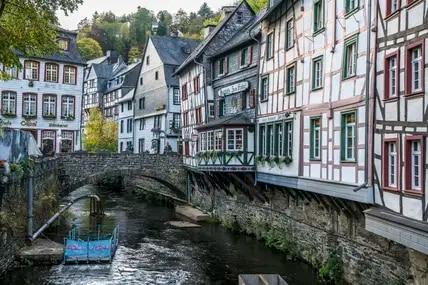
But if you are travelling with children, you will see enchanted palaces and legendary castles, medieval towns and villages with half-timbered houses, islands, rivers and dense forests that spark the imagination.
The Grimms and their fairy tales were born here, and following the Fairy Tale Road you will see the Sleeping Beauty castle and Hameln, the town of the Pied Piper.
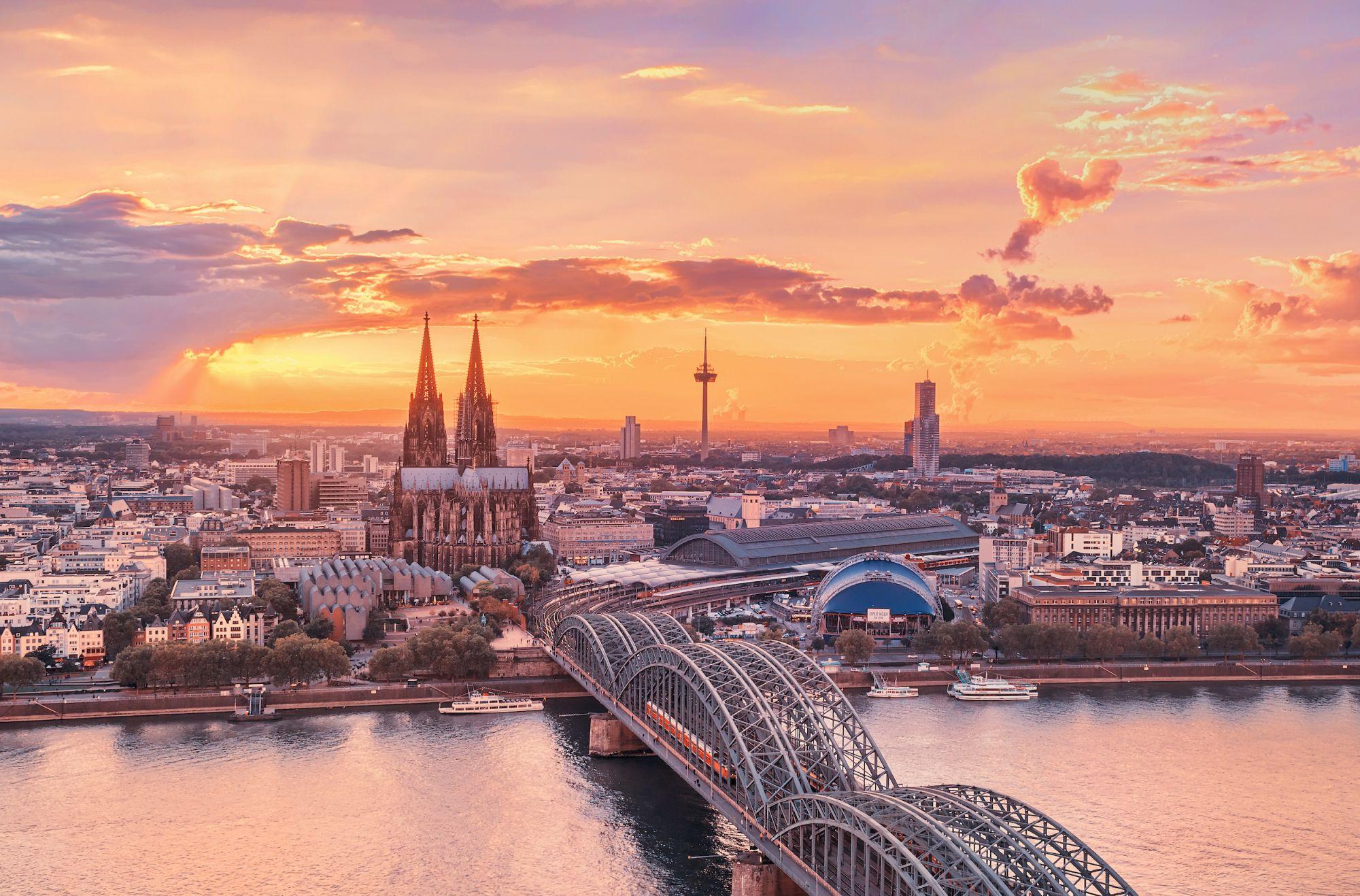
Sunset over Cologne ©Matthias Haker Photography/Getty Images
In the cities you will find interactive museums, creative playgrounds, puppet shows, outdoor swimming pools and zoos. But you'll be spoilt for choice among the many amusement parks:
●Europa-Park A huge park dedicated to Europe, with adrenaline-pumping attractions and a mouse as mascot.
●Märchengarten A theme park in Ludwigsburg set in the world of fairytales for the little ones.
Steinwasen Park Park in the woods near Freiburg, with rides, alpine wildlife and a suspension bridge.
●Ravensburger Spieleland A park inspired by board games, with milking competitions and giant duck races.
●Feenweltchen A magical world of elves, fairies and sprites with an enchanted grotto in Saalfeld.
●Playmobil The little ones will love the life-sized version of these toys. It is located in Nuremberg.
●Legoland Discovery Centre Designed for children, this delightful amusement park is made entirely of Lego: it has a 4D cinema, a space station and a ride on the Drachenbahn (dragon train). Adults will enjoy admiring a miniature Berlin made out of over two million Lego pieces.
●Phantasialand This is Europe's oldest Disneyland-style amusement park and one of the best and most popular. The complex includes six themed areas (Chinatown, Berlin, Mexico, Fantasy, Mystery and Deep in Africa), each with roller coasters, gondolas and flight simulators, water slides and much more, as well as music and dance performances.
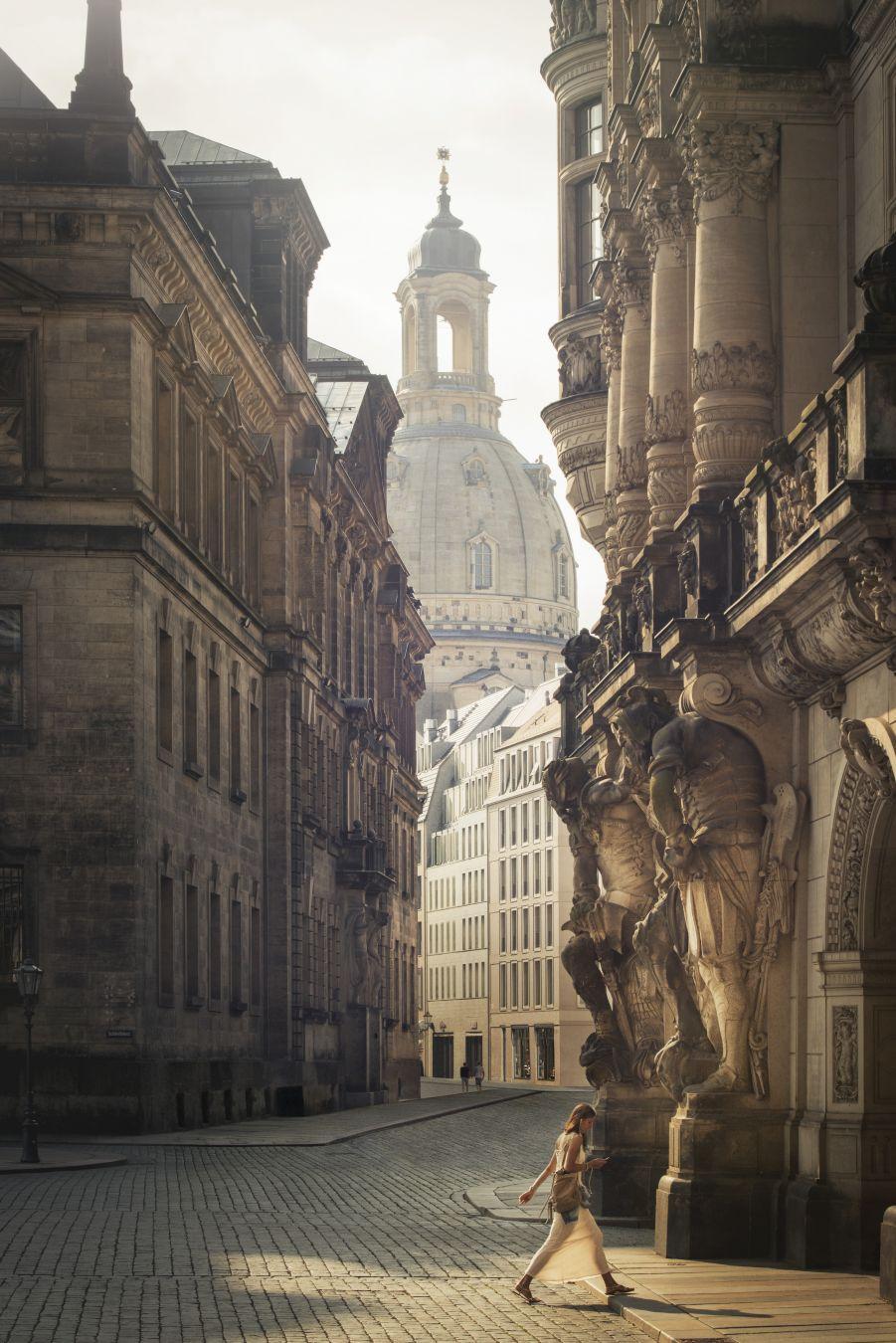
Dresden's Old Town ©Jonathan Stokes/Lonely Planet
Berlin to Cologne in a fortnight
This itinerary runs from East to West and begins and ends with two major cities and is ideal for those who are holidaying in Germany for the first time and want to experience the best the country has to offer.
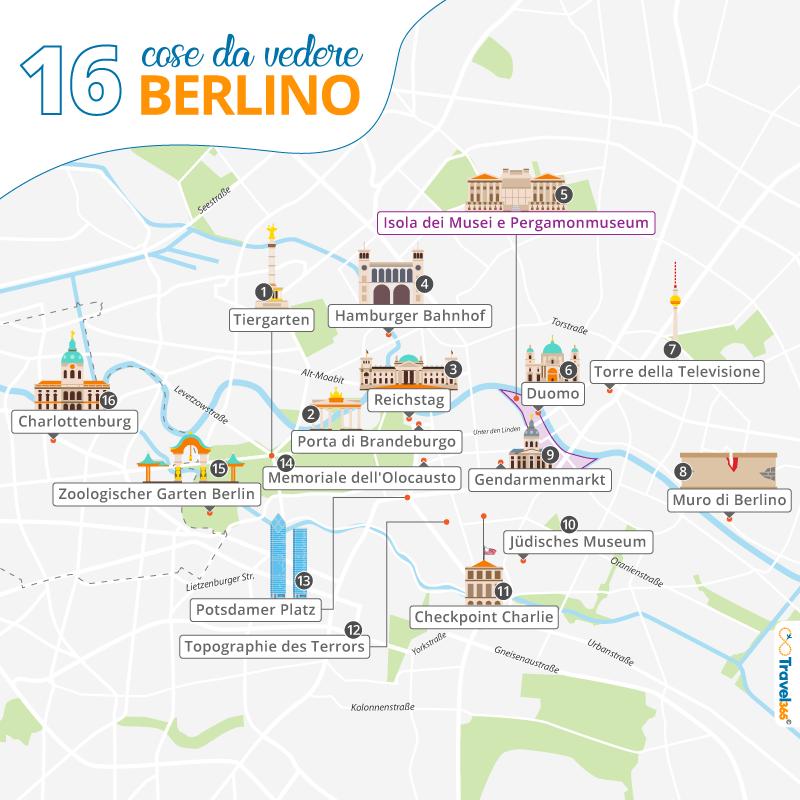
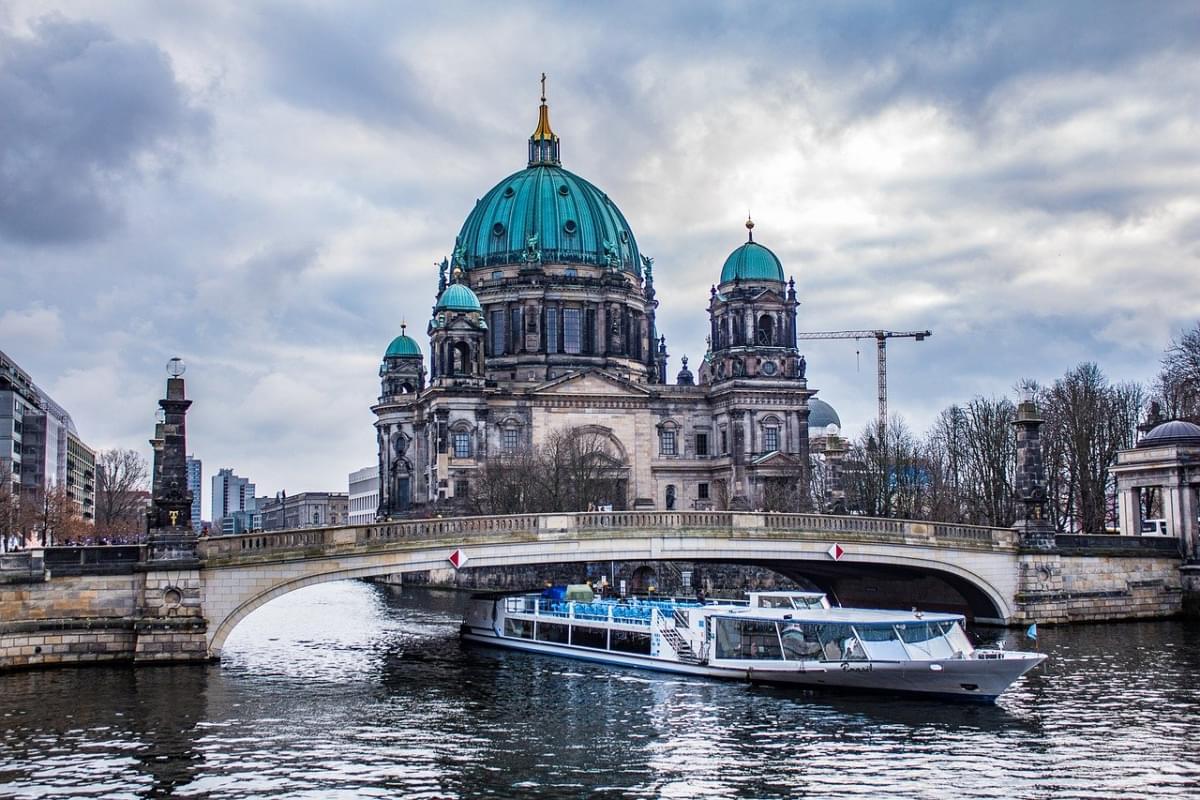
Start in Berlin to discover its splendid museums, historic and avant-garde architecture, non-conformist spirit and vibrant nightlife.
Then head to Dresden, a concentration of Baroque splendour on the banks of the Elbe. Head west to Weimar, a centre of culture at the highest level during the 18th century, with Goethe and Schiller.
Drive south to Nuremberg, with its atmospheric medieval centre and historical memories, and then on to Munich: in the capital of the German Land you can visit museums and palaces by day, and beer gardens or, in summer, the Biergärten in the evening.
Drive to Garmisch-Partenkirchen and breathe in the fresh Alpine air on an exciting train and cable car ride to the Zugspitze, the highest peak in the country.
Next, head west to the historic university city of Heidelberg with its impressive ruined castle, and then north to Worms and Mainz with their majestic Romanesque churches.
After a night in charming Bacharach, follow the Romantic Rhine through fairytale landscapes and finally arrive in cosmopolitan Cologne, full of churches (including the soaring Kölner Dom), art masterpieces and rustic beer gardens.
Sign up for our newsletter! For you weekly travel tips, special offers, stories from the world and 30% off your first order. 30% discount on your first order.
Typical dishes from Berlin to Cologne
Traditional dishes such asEisbein (boiled pork knuckle with sauerkraut) and Bouletten (meatballs) never go out of fashion in Berlin.
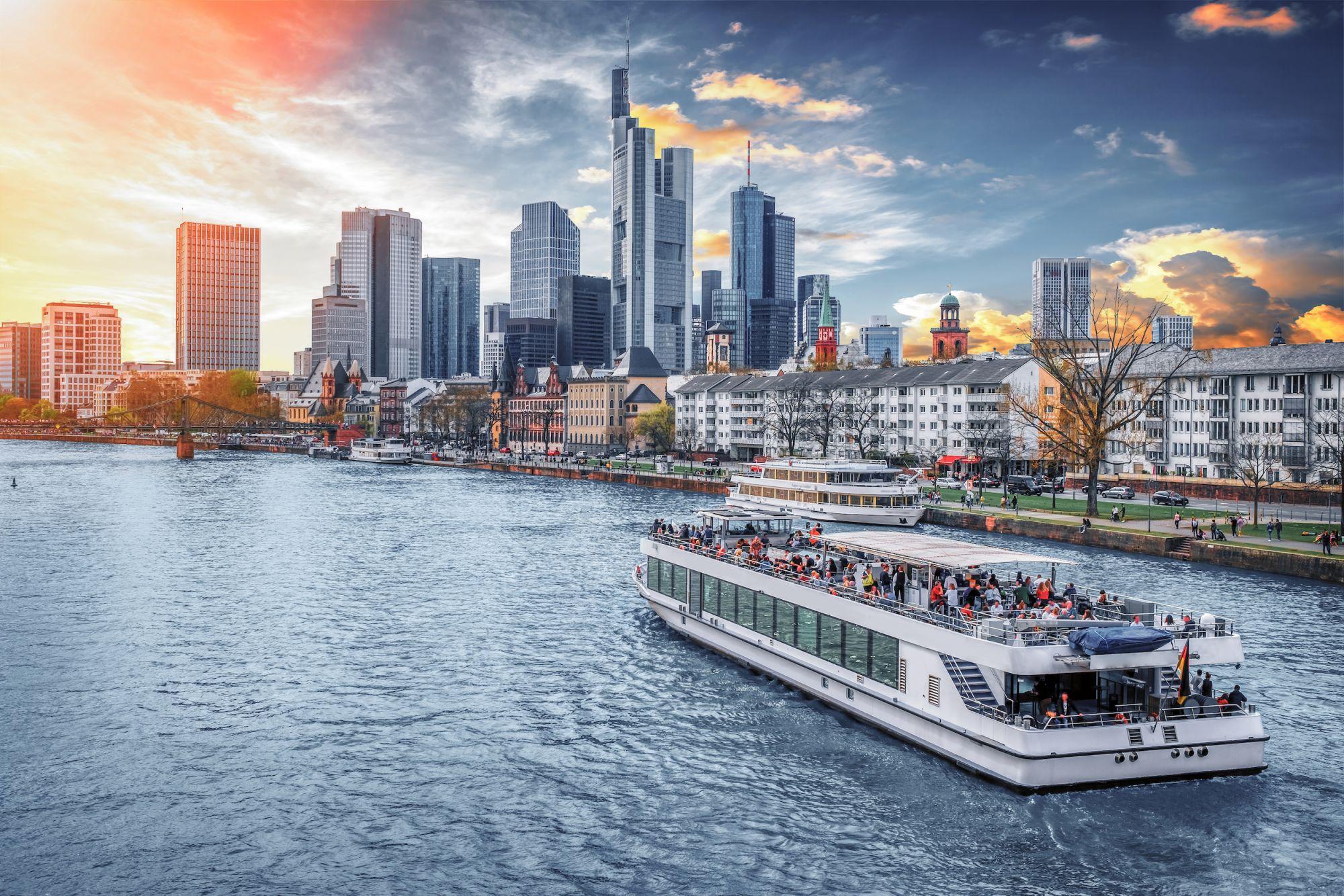
A cruise on the Main River in Frankfurt ©Augustin Lazaroiu/Shutterstock
All the best of southern Germany
This itinerary touches on the most legendary locations in southern Germany: majestic mountains, mythical rivers, historic towns, villages of half-timbered houses and castles.
In Frankfurt, fill up on culture in the magnificent museums, cider in the traditional wine taverns and atmospheric cityscapes along the Main promenade.
Then head northwest to Koblenz, the gateway to the Romantic Rhine, which offers a spectacle of terraced vineyards, medieval castles and picturesque villages. Following the west bank southwards, say hello to the legendary Lorelei cliff, stop in pretty Boppard or Bacharach, which looks like something out of a book, or go straight into the fairytale by spending the night in a castle turned into a luxury hotel.
The next day stop in Mainz, where Gutenberg started the information age by inventing movable type printing.
Now follow in Mark Twain's footsteps in bewitching Heidelberg, Germany's oldest university city, and don't miss a visit to its imposing castle.
Forget culture for a day in Baden-Baden, a legendary spa town frequented for centuries by crowned heads, celebrities, politicians and commoners.
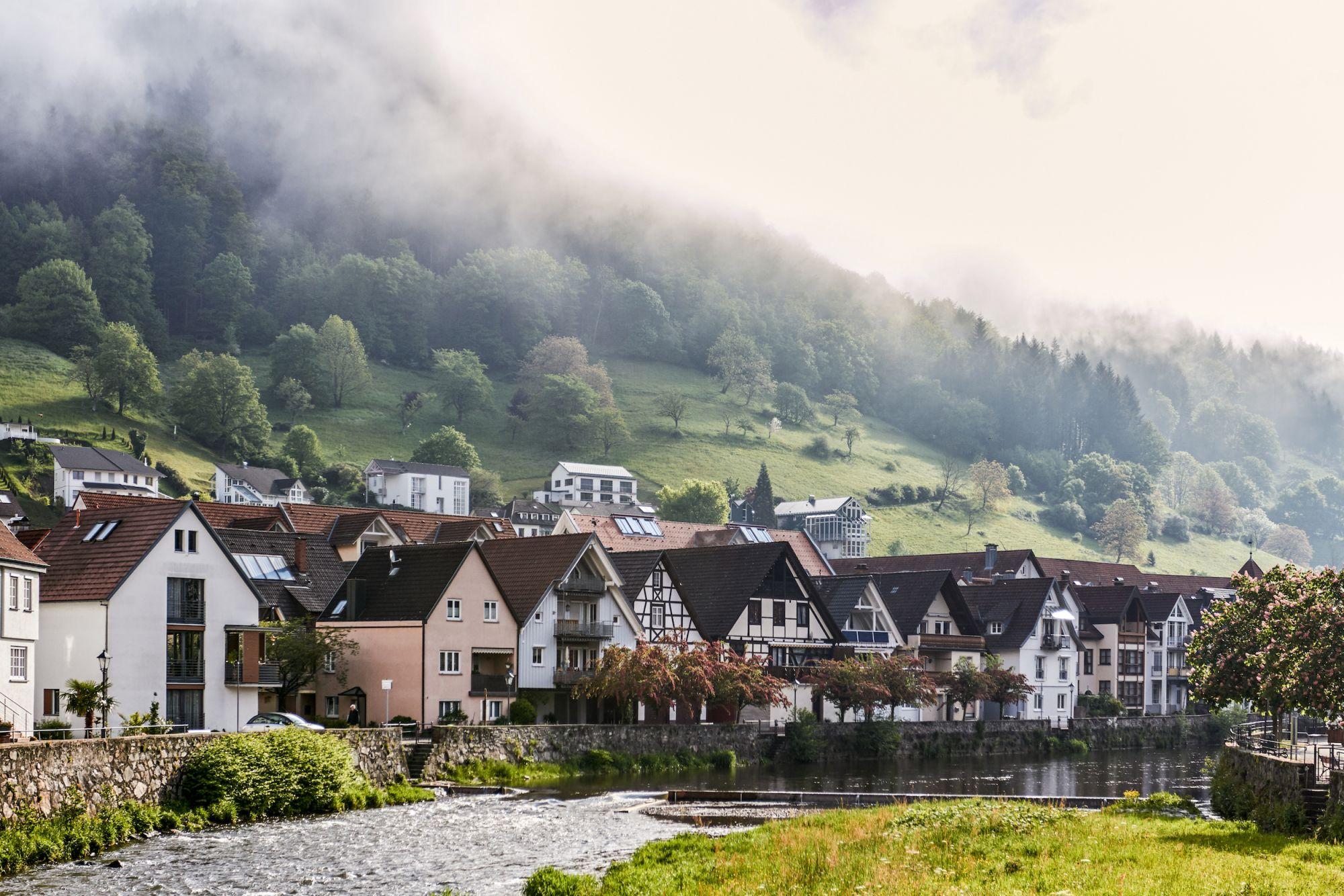
Typical houses on the edge of the Black Forest ©kmn-network/Getty Images
From here you reach the Black Forest, a mosaic of forest-clad hills, glacial lakes, romantic valleys and villages of half-timbered houses such as Gengenbach, Schiltach and Triberg. Spend at least half a day in the university city of Freiburg with its impressive cathedral and taste the renowned local wine.
Head east to Lake Constance and follow the scenic northern shore, perhaps stopping in pretty Meersburg, the prehistoric Pfahlbauten (stilt houses) or Friedrichshafen, home of the Zeppelin airship. To sleep, choose the charming little island of Lindau. Now you are in Bavaria, on your way to the fairytale Schloss Neuschwanstein in Füssen and to Garmisch-Partenkirchen, where a small train and cable car will take you to the top of the Zugspitze, the country's highest Alpine peak. Nestled in a narrow valley, at the foot of snow-capped peaks, the enchanting Mittenwald, 20 kilometres south-east of Garmisch-Partenkirchen, is the perfect place for a peaceful holiday in nature.
Get your feet back on the ground in a Munich brewery before ending the trip by spending a couple of days along the Romantic Road. Don't miss Rothenburg ob der Tauber and Würzburg, from where you can drive back to Frankfurt in a couple of hours.
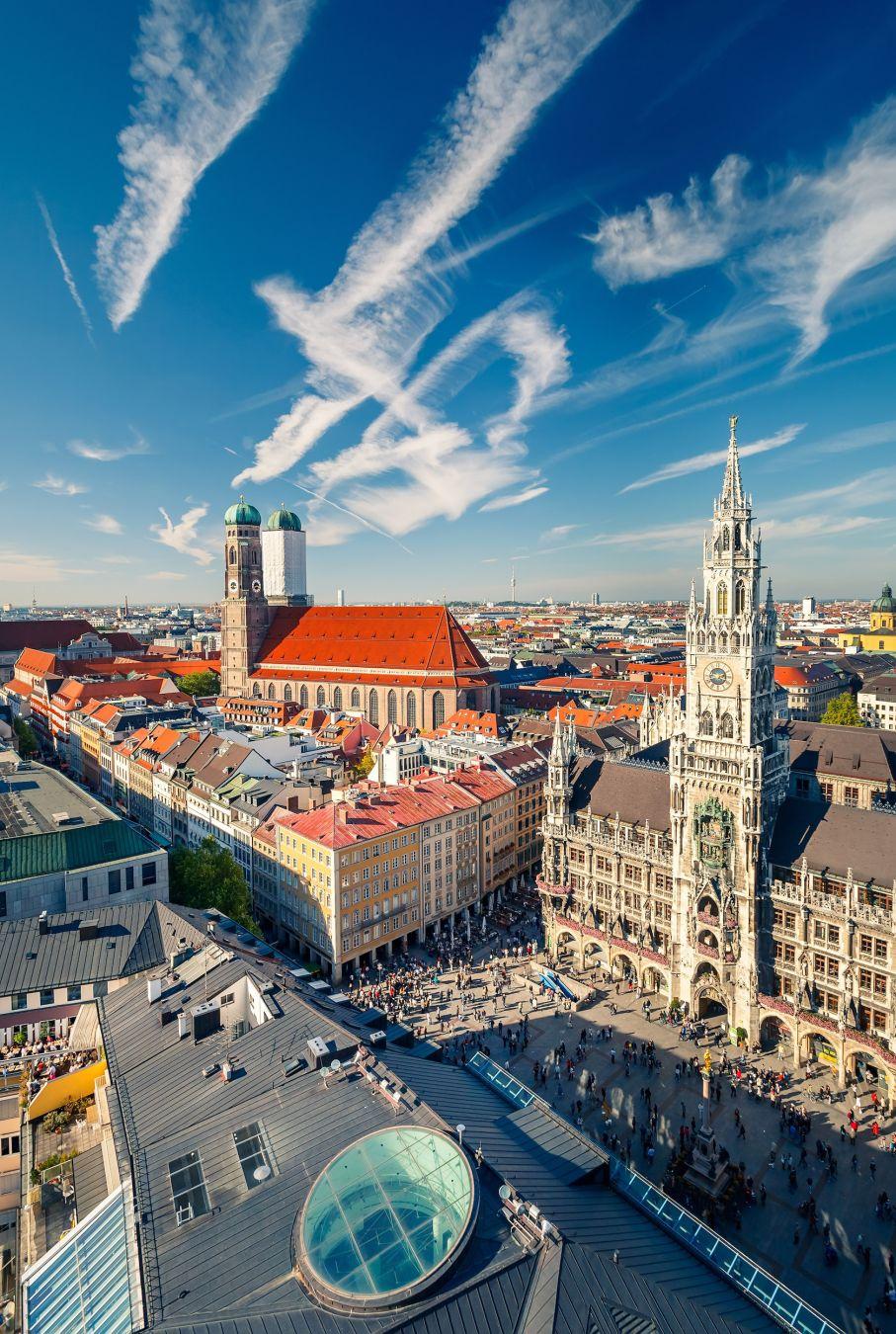
Munich's Marienplatz ©S.Borisov/Shutterstock
Typical dishes from Frankfurt to Munich
The Bavarians accompany their excellent beers with hearty pork knuckles and Klösse (potato dumplings). In Saxony and Thuringia, try lentil and potato soup, in the Black Forest trout, ham and the famous cake, while Swabia is famous for Spätzle (pasta dumplings) and Maultaschen (the Teutonic cousins of ravioli).
Guides and recommended products:
Travel guide
Munich, Bavaria and the Black Forest
A week among the charms of Northern Germany
This itinerary touches on charming northern cities forged by the sea and a long merchant tradition rooted in the Hanseatic League. It can be followed by car but also by train.
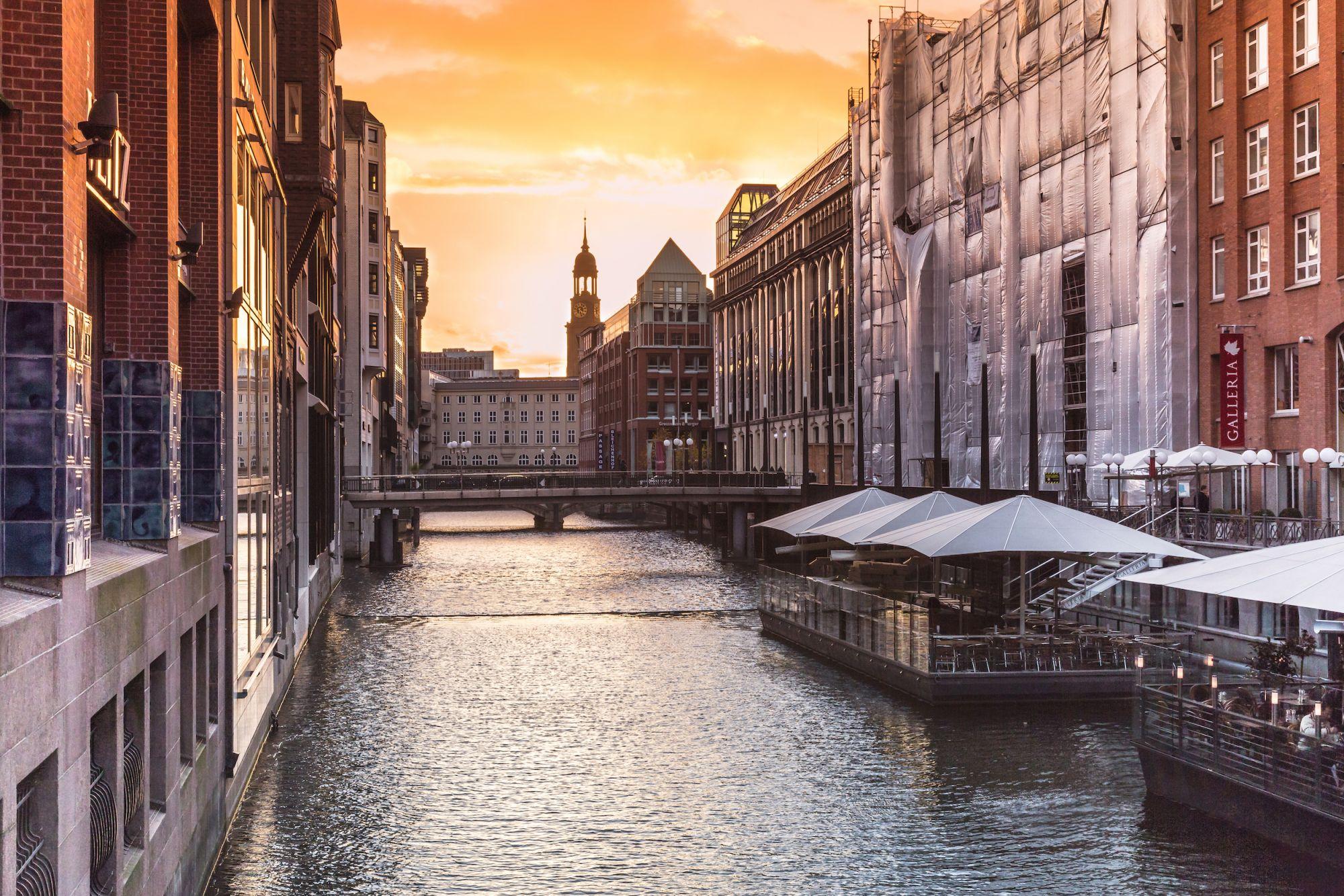
Hamburg's Speicherstadt (warehouse district) ©Manuel Bischof/Getty Images
Start in cosmopolitan Hamburg, where an elegant old town, a redeveloped port area, the red-brick Speicherstadt (warehouse district) and a red-light district famous for its spicy nightlife await you.
Next, head to charming Lübeck, famous for its Holstentor and delicious marzipan, then soak up some sun (and wind) on the beach at Travemünde.
Continue to Schwerin, a city rich in culture amidst crystal-clear lakes; on an island stands the scenic gold-domed Schloss Schwerin. Stop off in Lüneburg, an attractive medieval town with lopsided houses, and head down to Hannover, the capital and urban heart of Lower Saxony, a city full of cultural events and attractions, picturesque parks and gardens, restaurants and nightlife for all tastes.
Then drive up to Bremen, the northern terminus of the Fairytale Route. After saying hello to the Statue of Musicians, take in the expressionist architecture, the mummies in the cathedral and the Beck's brewery, ending the day in the lively Viertel. Head north to Bremerhaven, the port from which millions of emigrants set sail for the New World in the hope of a better life. The splendid Emigration Museum tells their stories.
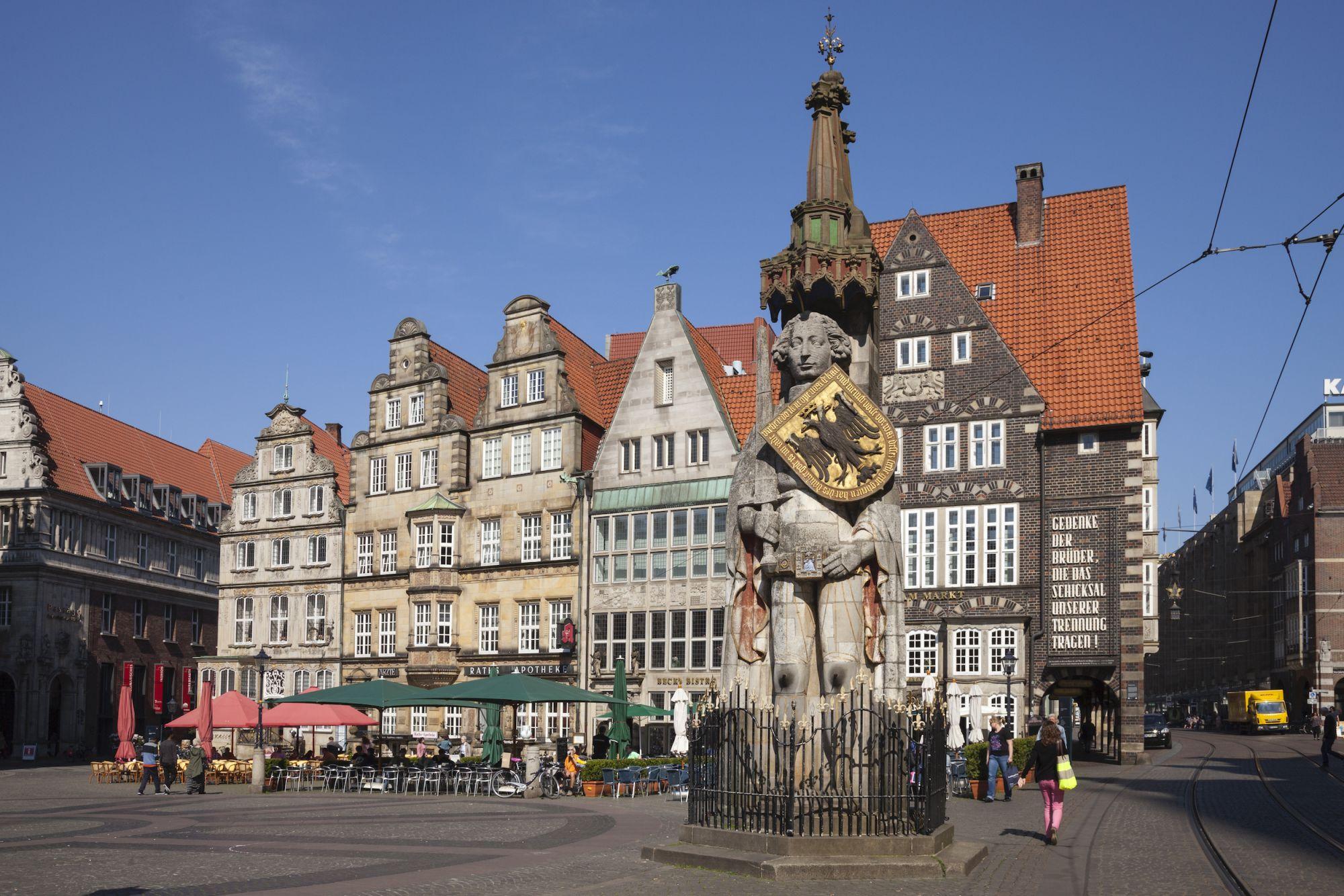
Bremen's central square ©Westend61/Getty Images
Typical North German dishes
On the Baltic and North Sea coasts you will find delicious marinated herring and Mecklenburger Rippenbraten (sweet and sour pork roll stuffed with lemons, apples, plums and sultanas). Hamburgers love eels and Labskaus (minced beef with potatoes and beets, served with a fried egg and gherkins).
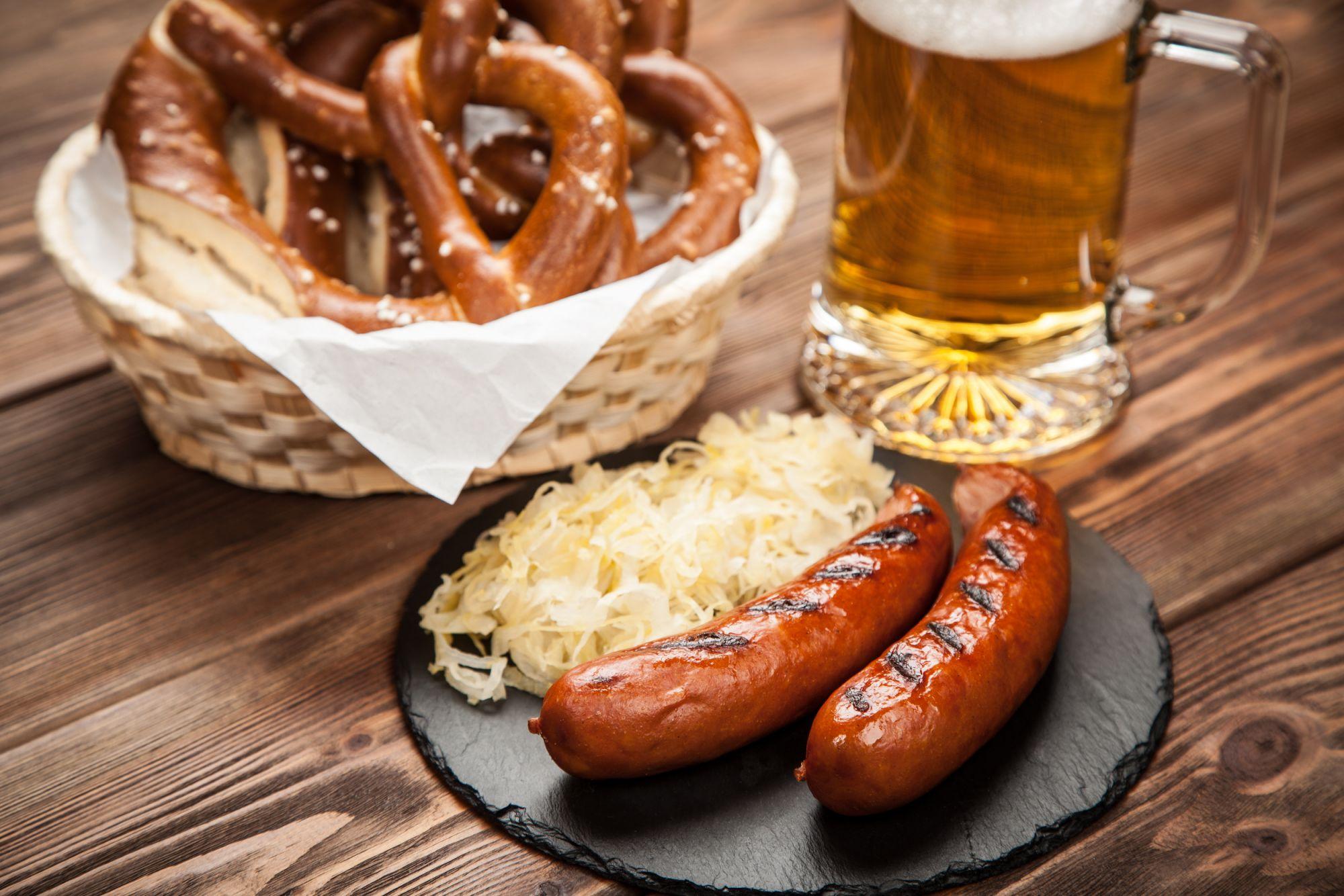
Pretzels, beer and sauerkraut and it's party time ©George Dolgikh/Shutterstock
Germany's best festivals
Rich in events all year round, it is no surprise if you choose to go to Germany specifically to attend one of its festivals. We have highlighted the ones not to be missed.
Berlinale, in February Stars, directors and critics tread the red carpet for the two weeks of exclusive screenings and parties at the Berlin Film Festival, one of the most prestigious in Europe.
Karneval/Fasching, in February Carnival is celebrated with fancy dress parties, parades, satirical shows and communal revelry. The wildest celebrations are held in cities along the Rhine, such as Düsseldorf, Cologne and Mainz, but the Black Forest, Munich and Bremen also have their own carnival traditions.
Kieler Woche, in June Approximately half a million seafarers arrive in the Baltic Sea each year for Kiel Week, the world's largest seafaring event, with hundreds of regattas, sailboat parades, historic vessels and non-stop festivities.
Oktoberfest, in September Break out the Dirndl or squeeze into Lederhosen to attend Munich's legendary beer festival.
Christmas markets, in December Glühwein (mulled wine), spiced biscuits, glittering decorations and everything that belongs to Christmas rituals await you at typical German Christmas markets, from Bremen to Dresden to Munich, held from late November to late December. Particularly famous is the Christkindlesmarkt in Nuremberg.
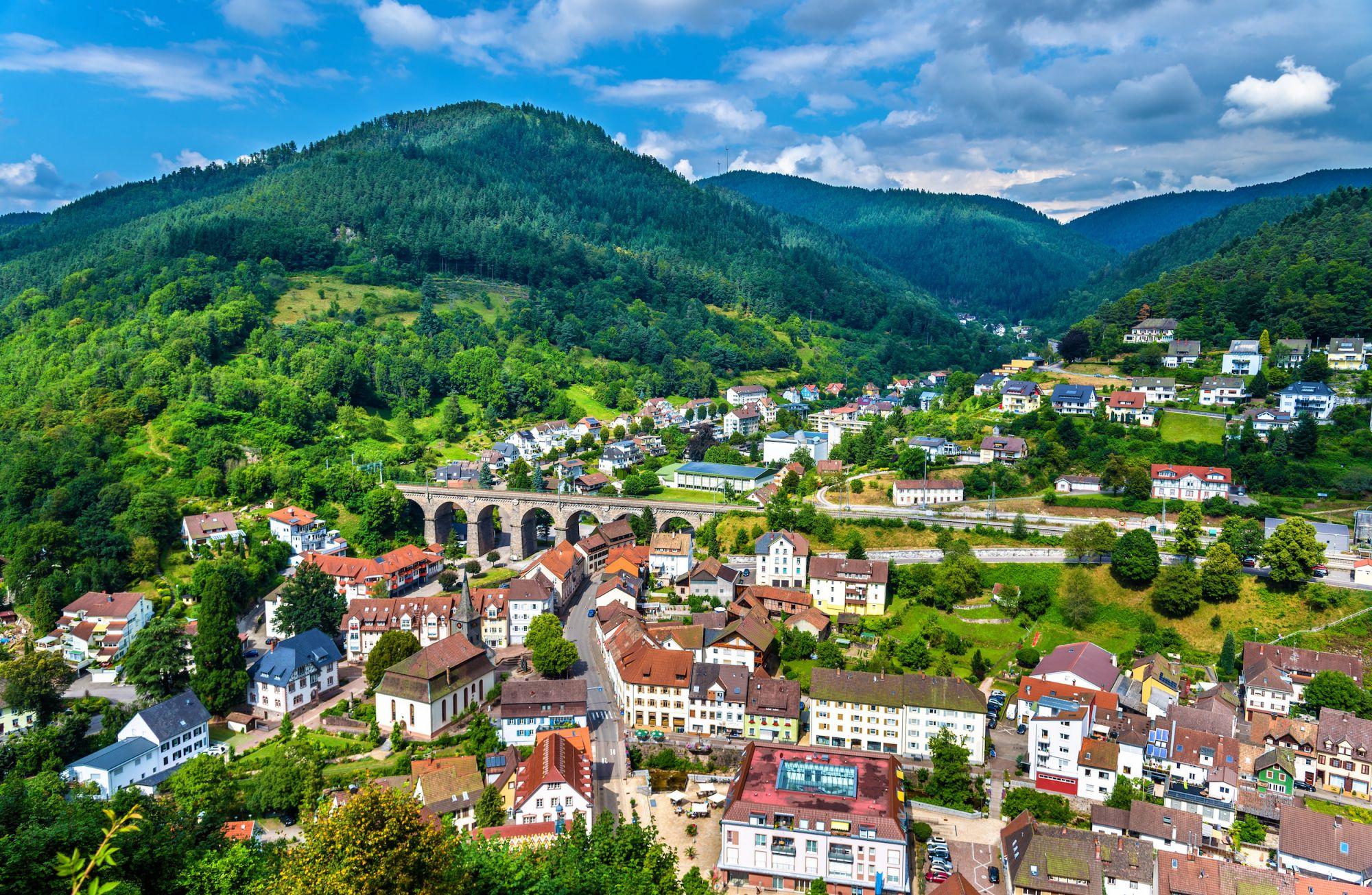
The train is one of the best ways to travel across Germany ©Leonid Andronov/Shutterstock
Discover Germany by train
Slow travel' has never been so much fun as on Germany's historic trains; some are over a century old and have steam locomotives.
●Zugspitzbahn It almost literally takes your breath away on this exciting train journey up Germany's highest mountain.
●Molli Schmalspurbahn Since 1886 this little train has been taking its passengers through spectacular scenery from Bad Doberan to Heiligendamm.
●Harzer Schmalspurbahnen The ultimate for fans of narrow-gauge trains travels through the Harz on three scenic routes.
Lössnitzgrundbahn The most scenic way to get to Moritzburg Castle near Dresden is on this steam train.
●Chiemseebahn Dating from 1887, this is the oldest narrow-gauge steam train in the world.
●Schwarzwaldbahn The Black Forest opens up like a storybook along this scenic route between Constance and Offenburg.
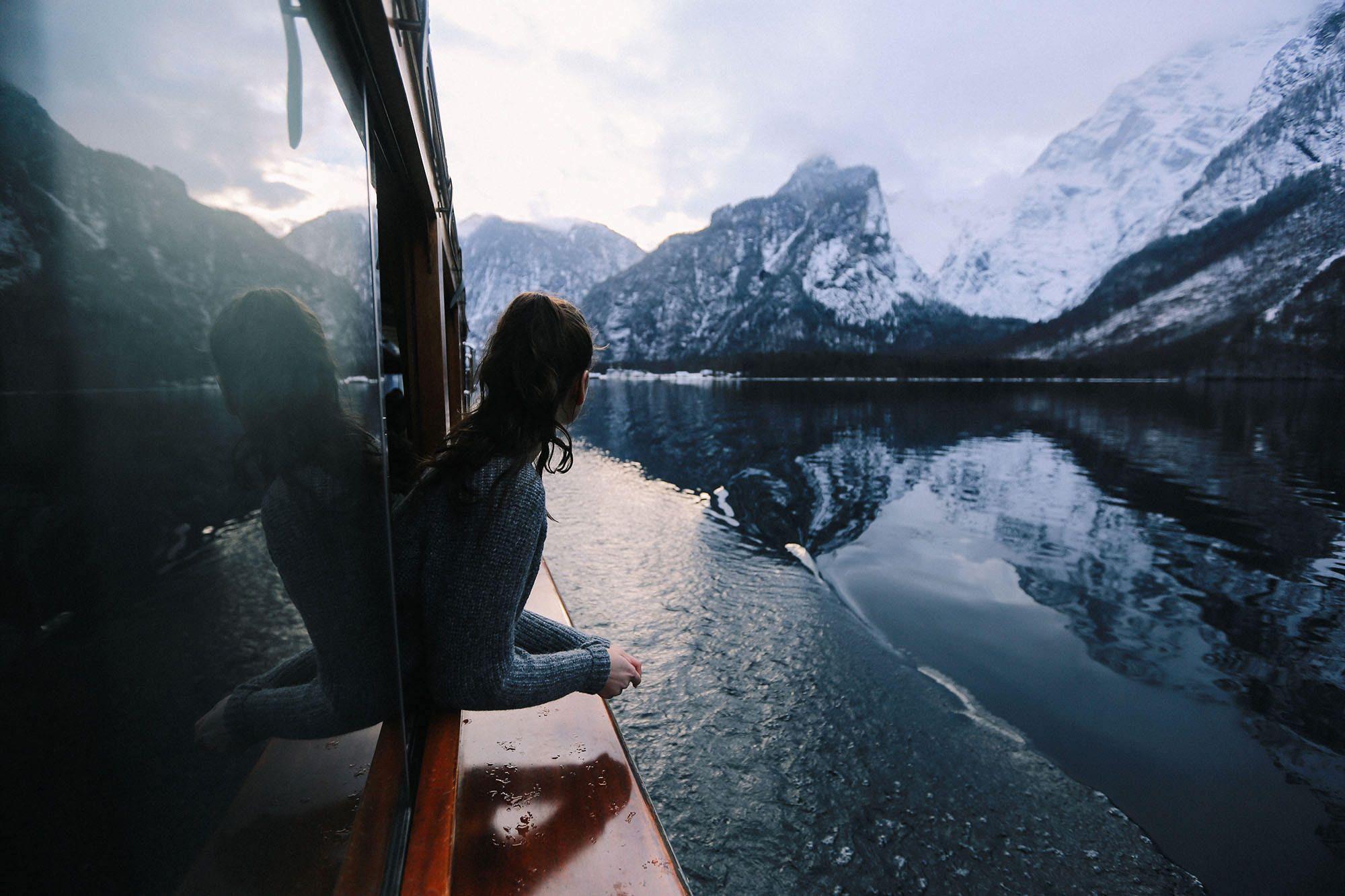
Even in winter, Germany is full of charm ©Jessica Wintz/EyeEm/Getty Images
Travel tips for discovering Germany
Whizzing along the motorway is certainly intoxicating, but as you explore the country roads you will discover beautiful landscapes.
The spirit of a place reveals itself to those who leave the main sites behind and immerse themselves in the atmosphere of a neighbourhood.
Don't be afraid to turn to the locals. Almost all Germans chew English and will be happy to give you directions.
Make the most of discount cards; look for the Sparpreis (savings price) when booking with Deutsche bahn.
Recommended guides and products:
Travel guide
Germany
The best time to visit Germany
The climate in western Germany has hot to very hot summers and mild winters. In the east, summers can be hot to very hot and winters cold. In the mountains, the climate is Alpine.