Peace, tranquillity and fresh air: some of the world's most remote destinations are sanctuaries of quiet and solitude. They are the kind of destinations that allow you the luxury of disconnecting from screens to reconnect with nature and find yourself.
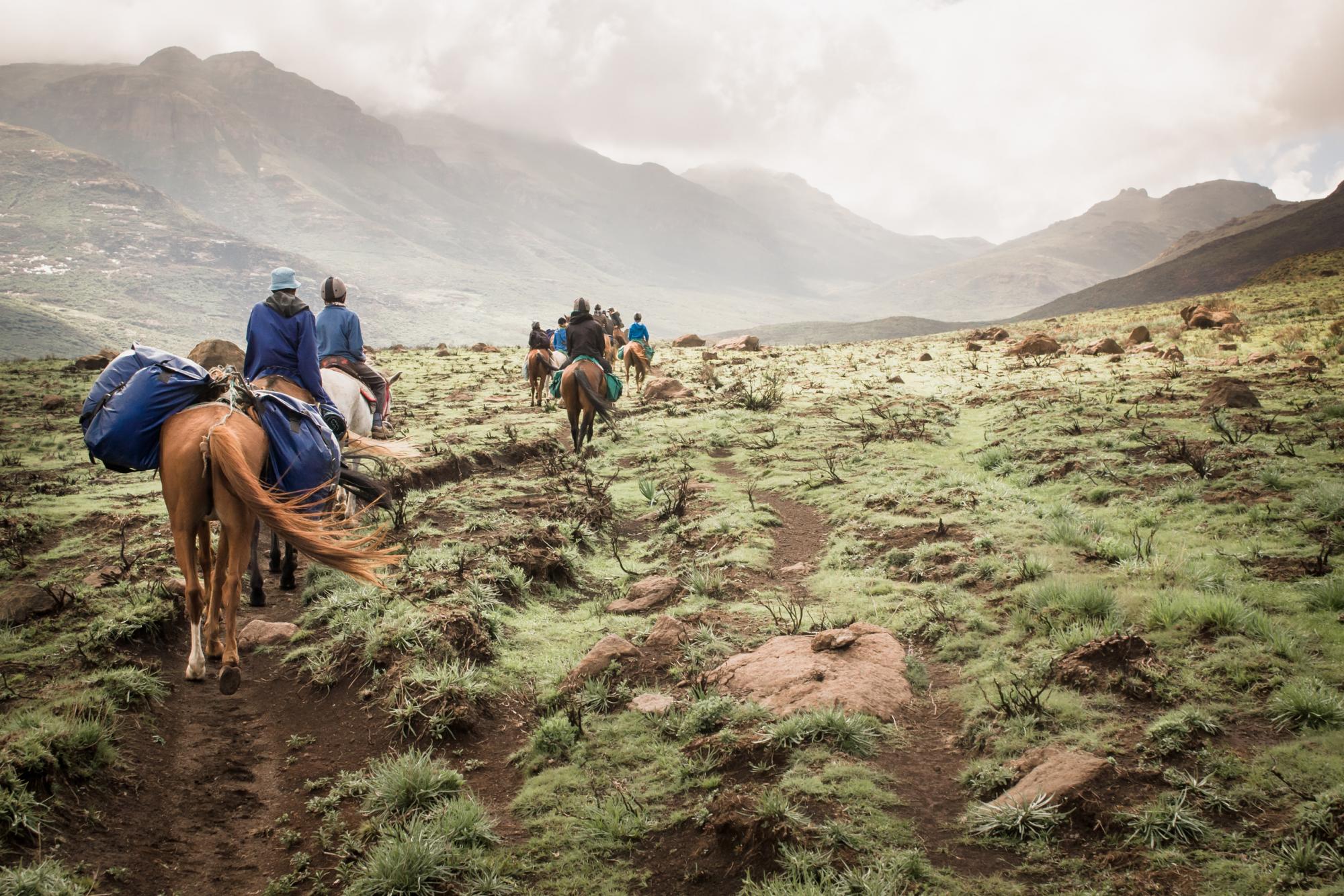
Horseback riding in the mountains of Lesotho © Nadine Swart / Getty Images
The destinations on this list are just some of the gems contained in Fuori Rotta, the new Lonely Planet photo book coming out in May that introduces 100 exciting alternatives to the most crowded and discounted tourist destinations. The question to ask yourself now is: "Where do I want to go?" We hope you will find inspiration.
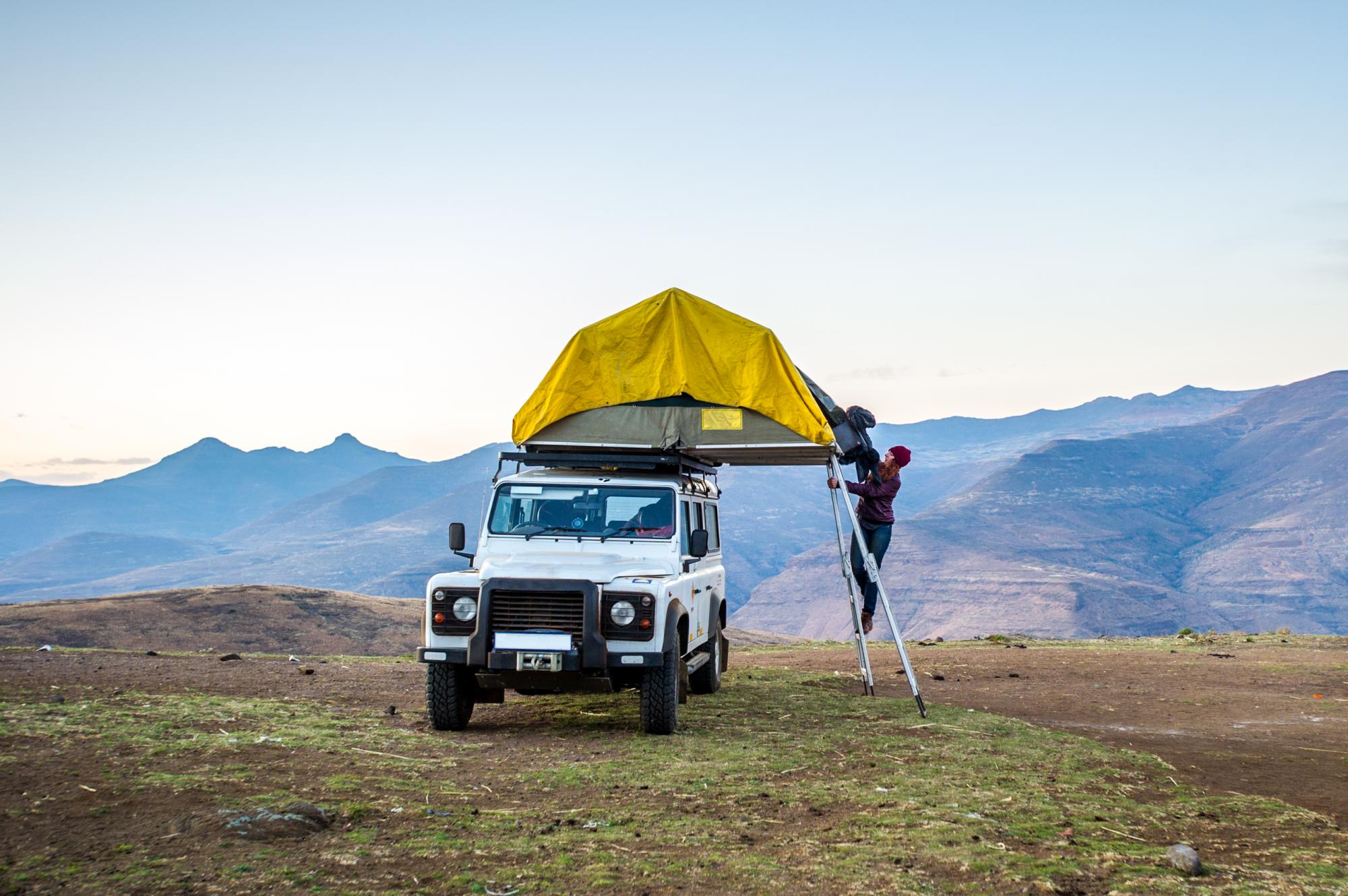
In a tent in the mountains of Lesotho © Edwin Remsberg / Getty Images
Lesotho
The small mountain kingdom where communities are investing in tourism
Dominated by the Drakensberg and Maluti mountain ranges, tiny Lesotho can boast the title of the highest country in the world: even its lowest point, in the so-called Lowlands, is around 1400 metres above sea level. Whether trekking or riding a basuto, the indigenous breed of pony, it is easier to meet a shepherd wrapped in the traditional blanket than the hordes of tourists who flock to South Africa, the state surrounding the African enclave. In 2019, only 800,000 international tourists explored its spectacular 3000m trails, compared to the 15.8 million who visited South African attractions such as Table Mountain and the Blyde River Canyon. Despite Prince Harry's visits (he worked with orphaned AIDS children during his gap year and co-founded the charity Sentebale), the country remains generally excluded from typical sub-Saharan itineraries.
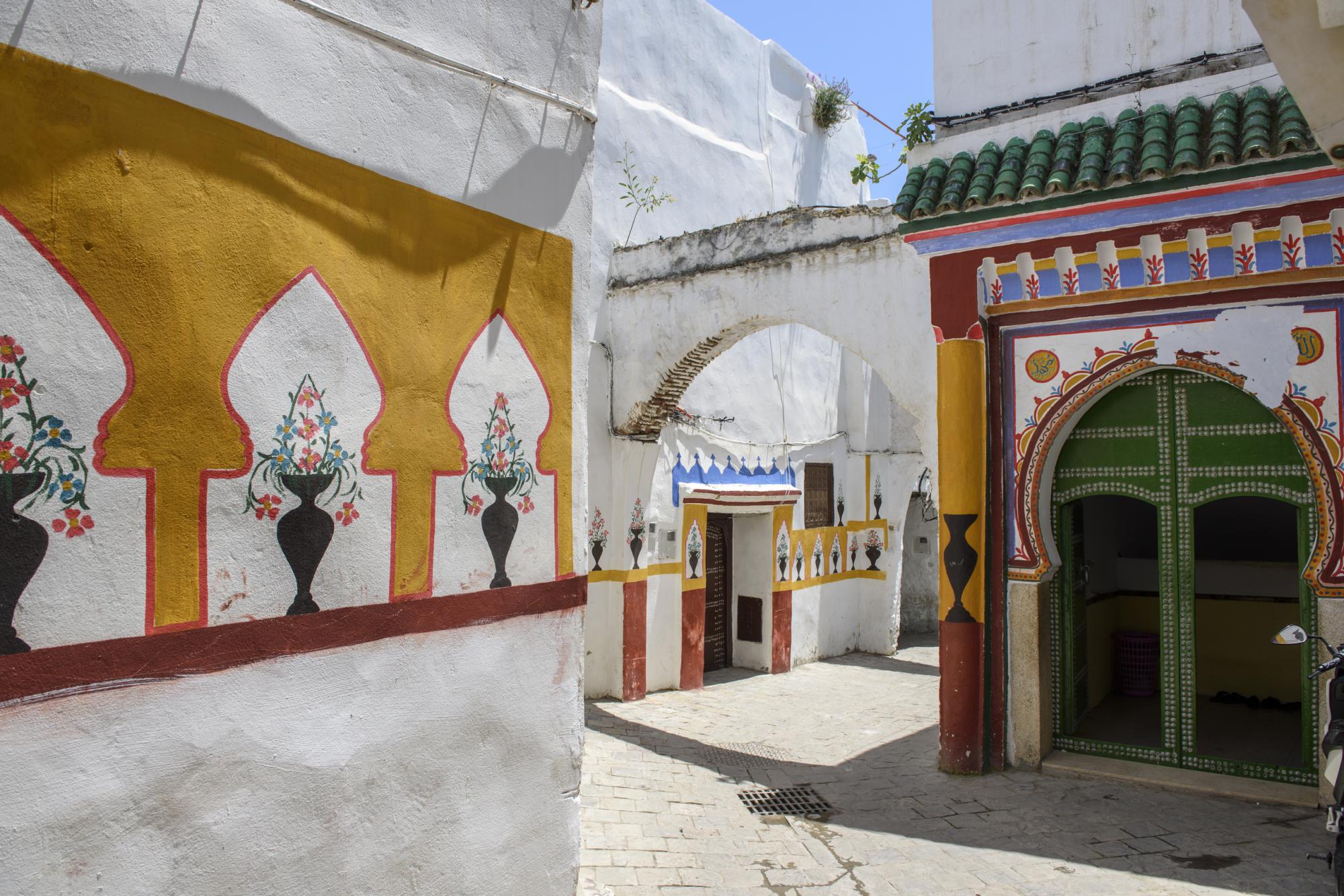
The streets of Tetouan, Morocco © luisapuccini / Getty Images
Tetouan, Morocco
This often overlooked white city in Morocco is a paradise for art and history lovers
There is something extremely charming about the small town of Tetouan, where beautiful white buildings stand at the foot of the Rif mountains. Most travellers visit the blue streets of neighbouring Chefchaouen, but those who are in the know move slightly further north and choose Tetouan to avoid the crowds. The port is a legacy of the Phoenicians and Roman remains from the 3rd century dot the hills. There is a cosmopolitan atmosphere in the city thanks to centuries of foreign immigration. Jews and Moors fleeing 15th century Spain settled here, as did later Algerians fleeing the French in the Ottoman era. Between 1912 and 1956, Tetouan was even the capital of the Spanish Protectorate of Northern Morocco.
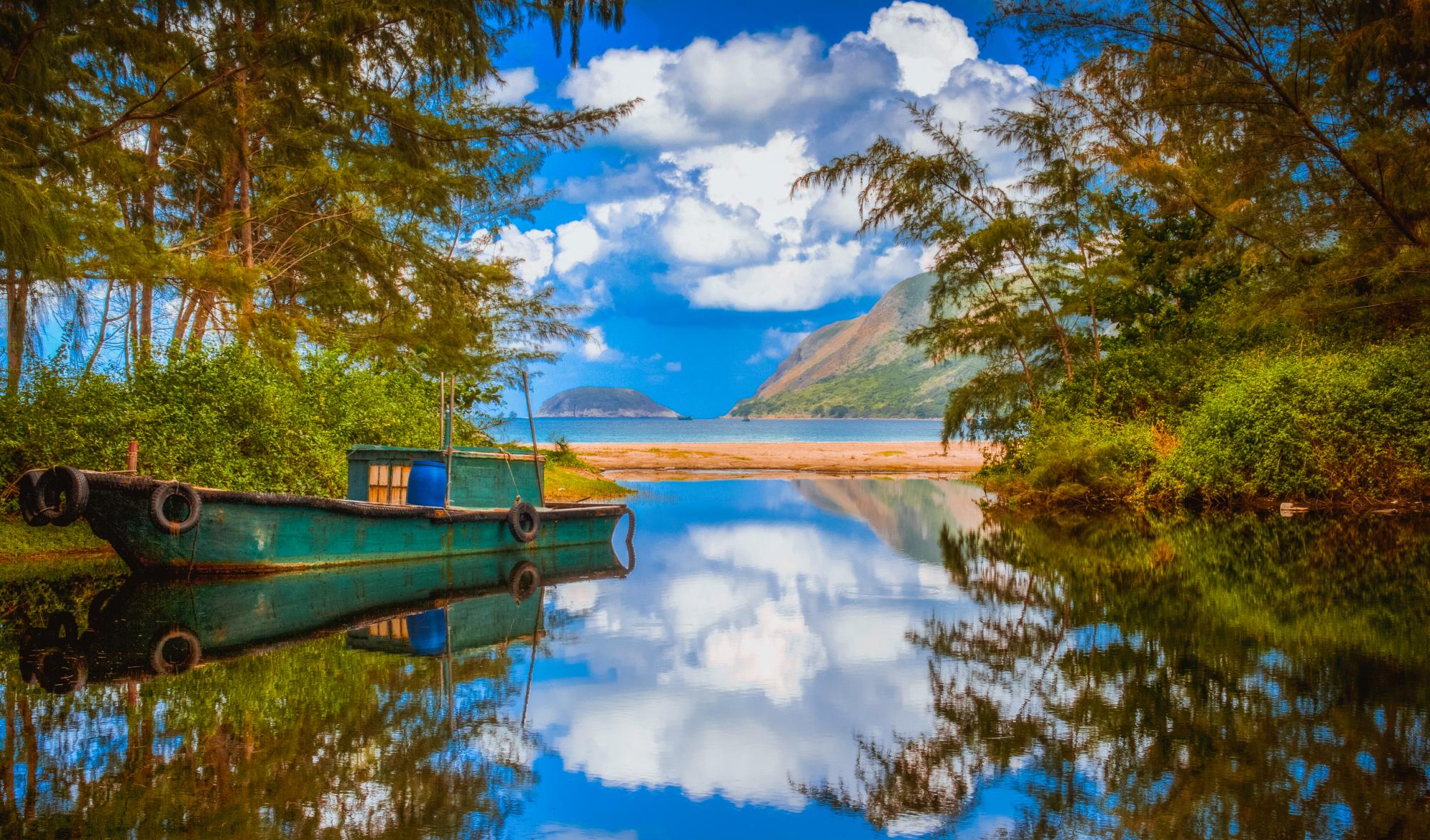
Con Son Island, Vietnam © 500px Plus / Getty Images
Sign up for our newsletter! For you every week travel tips, special offers, stories from the world and 30% discount on your first order.
Con Son, Vietnam
New itineraries and lots of marine life, a destination not to be missed
Mountains stretch all the way into the sea at Con Son, an island surrounded by corals off Vietnam's southern coast. It is part of the 16 volcanic islands and islets that make up the Con Dao archipelago and is nothing like the chaotic market towns of the Mekong Delta. This 52-square-kilometre island has a population of around 7000 and includes vast areas of pristine forests, lotus-flower covered lakes and deserted beaches surrounded by casuarina trees.
Wildlife is the real star of the local wildlife. Endangered sea turtles nest on the beaches, while abundant marine life (as well as numerous wrecks) populate the waters. The island is home to more than 80 species of birds, as well as the endemic long-tailed macaque, which can be spotted on hiking trails. Yet, the face of cheerful tropical paradise hides a dark past. Once, Con Son was hell for the thousands of prisoners incarcerated in the island's jails during French rule and the Vietnam War. The prisons and cemeteries today are a powerful reminder of all those who were tortured or died in the cells.
Nagaland, India
A tribal adventure in India's last frontier
For decades, Nagaland has remained on the fringes of the known Indian world, the last bastion of charm bordered by mist-shrouded mountains, dotted with tribes and succulently off-limits to travellers due to bureaucracy dating back to colonial times. Over the past decade, restrictions have been gradually lifted, but the news has been spread very sparingly: fewer than 6,000 foreign visitors arrived in Nagaland in 2019, compared to Rajasthan's impressive 1.6 million. If you want to see what India was like before mass tourism, just go here.
Once (thankfully no longer) famous for headhunters, the various tribes of Nagaland remain deeply attached to their pre-colonial traditions. Many have converted to Christianity, but animist traditions often endure, such as decorating houses with buffalo skulls. It is possible to spend weeks in Nagaland without seeing a single fellow traveller. The commute is time-consuming and the inconveniences are endless, but staying with families in the villages will allow you to fully experience the authenticity of this Indian state.
Shikoku, Japan
Japan's island devoted to outdoor activities and waste disposal
Shikoku rarely features on the travel itineraries of most visitors to Japan, but the island has much to offer. Major events such as the annual Awa Odori Matsuri in the city of Tokushima, the Japanese equivalent of Rio Carnival, attract many Japanese in August. While Matsuyama's Do Go Onsen is a magnet for hot spring lovers. And every three years, Shikoku's Kagawa Prefecture hosts the Setouchi Triennial, a wonderful contemporary art festival held on nearby islands such as Naoshima and Sho do shima.
But besides the main attractions, there are also many experiences and places that are often overlooked. Go and discover the projects aimed at sustainability in the zero-waste village of Kamikatsu. Head to the remote Iya Valley to sleep in an 18th-century farmhouse and go rafting down the Yoshino River. Walk part (or all) of the pilgrimage trail that touches the island's 88 temples. Or join the surfers along the rugged South Pacific coast between the two spectacular headlands of Muroto-misaki and Ashizuri-misaki. This is the Japan you don't expect.
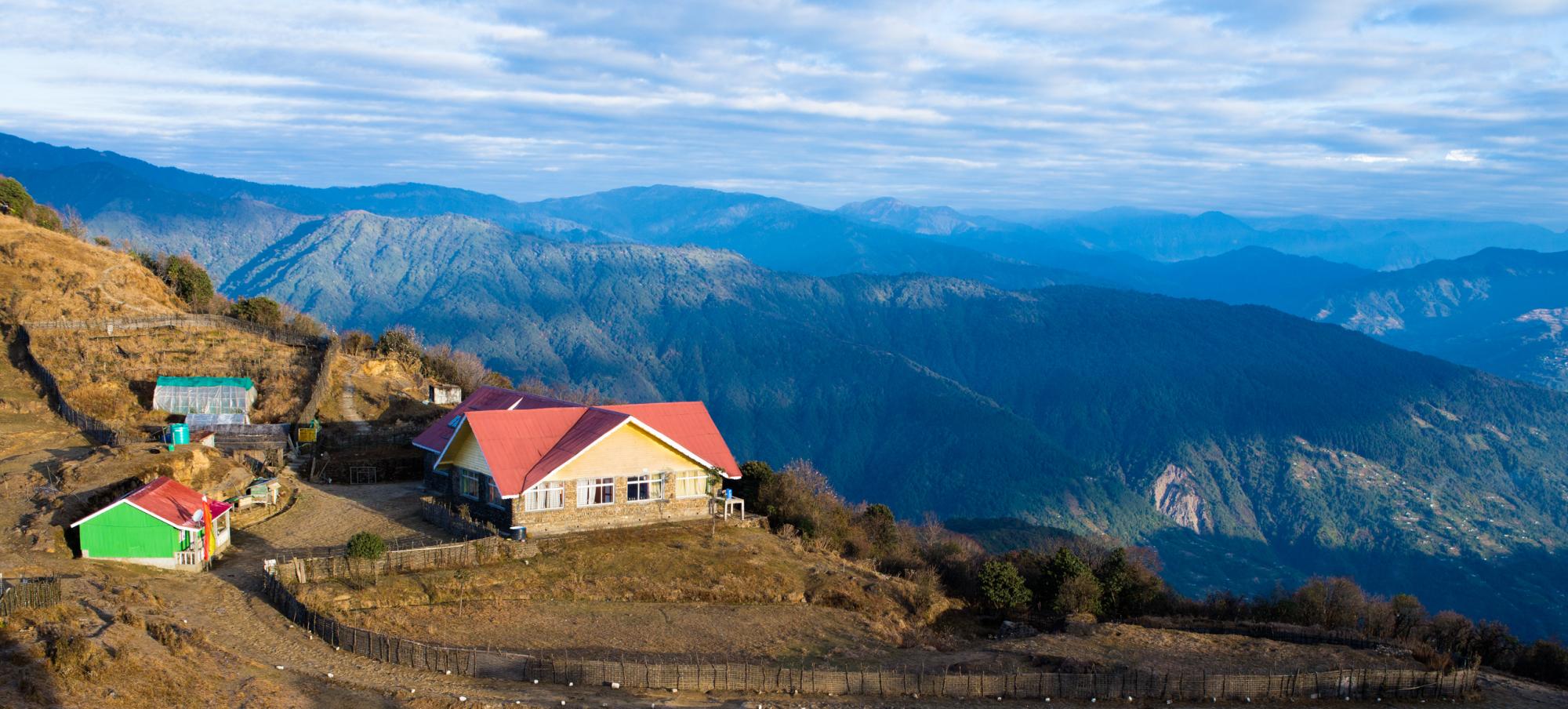
Singalila National Park, Tonglu, India, on the border with Nepal © gnomeandi / Shutterstock
Kanchenjunga region, Nepal
The Himalayas in pristine form
Trekking to Everest Base Camp means conquering two-thirds of the way to the top of the world's highest mountain, but also feeling overwhelmed by the amount of people you encounter. Hikers yearning for equally spectacular views but with more peace and quiet opt for the remote wilderness of eastern Nepal, where Kanchenjunga, the third highest mountain on Earth at 8586 m, rises majestically.
More than 57,000 hikers and mountaineers reach Everest base camp annually, while the Kanchenjunga protected area sees only 900 visitors a year. Forget the apple pie (the comfort food of those tackling Everest) at every stop: you will have to be accompanied by a guide to walk the rugged trails that climb up to the base camps above Pang Pema and Ramche. To soften the blow, villages provide welcome hot meals for the adventurous who make it to this remote corner of the earth. In return for your efforts, you will be rewarded with breathtaking views to enjoy in the quiet as you traverse spectacular stretches of wilderness.
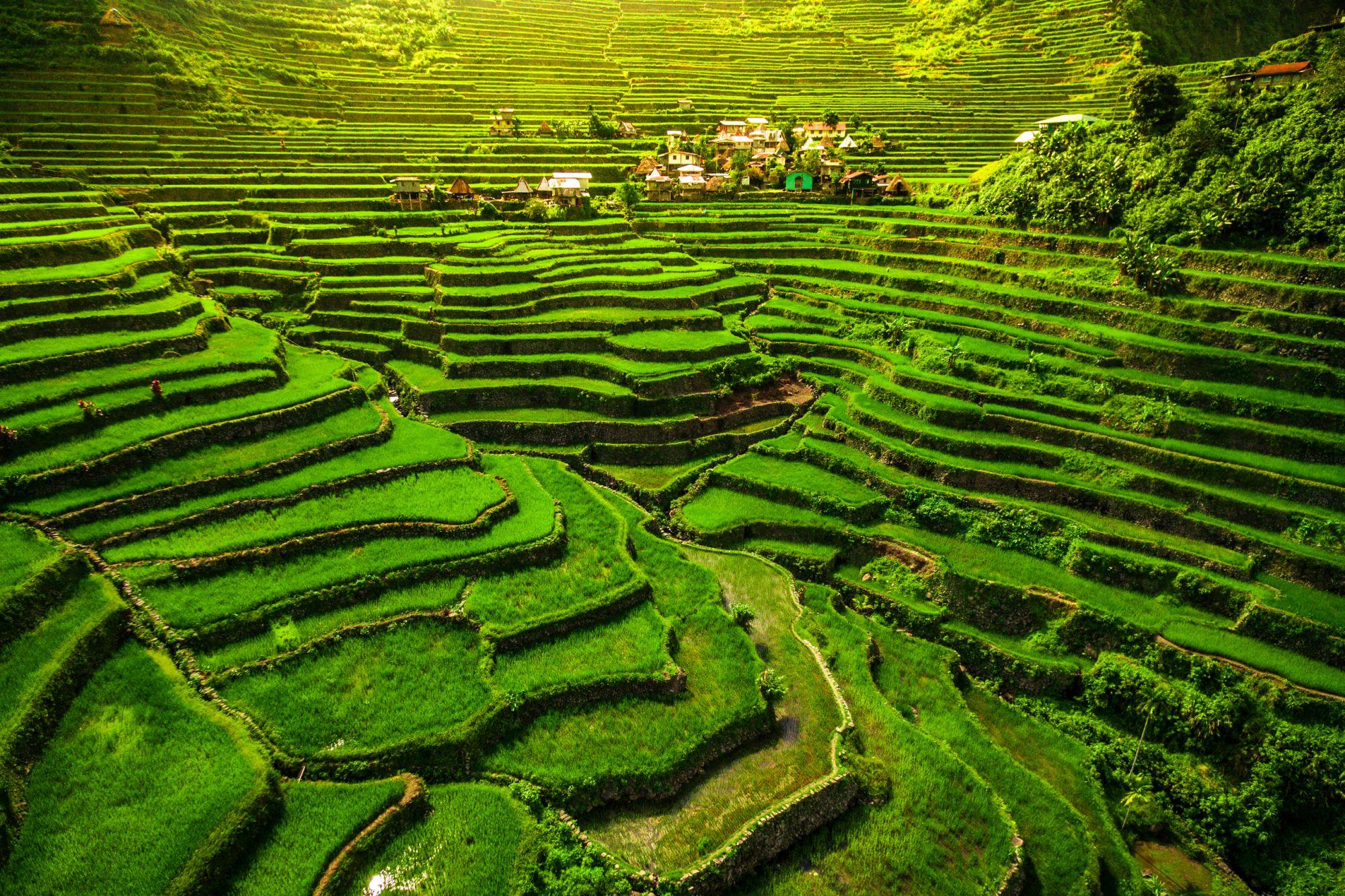
Batad, terraced rice fields in Unesco World Heritage Ifugao Province, Philippines © R.M. Nunes / Getty Images
Northern Luzon, Philippines
Headhunters and Spanish heritage in the jungle highlands above Manila
While white beaches and snorkelling sites such as Boracay, Cebu and El Nido are world famous, North Luzon, the 'head' of the Philippine archipelago, is often overlooked. Yet, it encapsulates the essence of the country better than any other island. Along the coast that hugs the sea, surfers launch themselves into the waves of San Juan (La Union), Pagudpud and Baler. On the west coast, the 16th century town of Vigan boasts the finest Spanish colonial-era buildings in Asia, while the impenetrable jungle on the east coast is home to most endemic species.
Inland, the Cordillera, the forest-covered mountain range with its UNESCO-acclaimed rice terraces, rivers, hanging coffins and skull-filled caves attracts the most enterprising travellers. The highland villages of the country's richest cultural enclave, the province of Kalinga resonates with a myriad of different languages and dialects. Away from the sea, the sleepy, traditional life of the Batanes islands seems a parallel universe to the bustle of Manila.
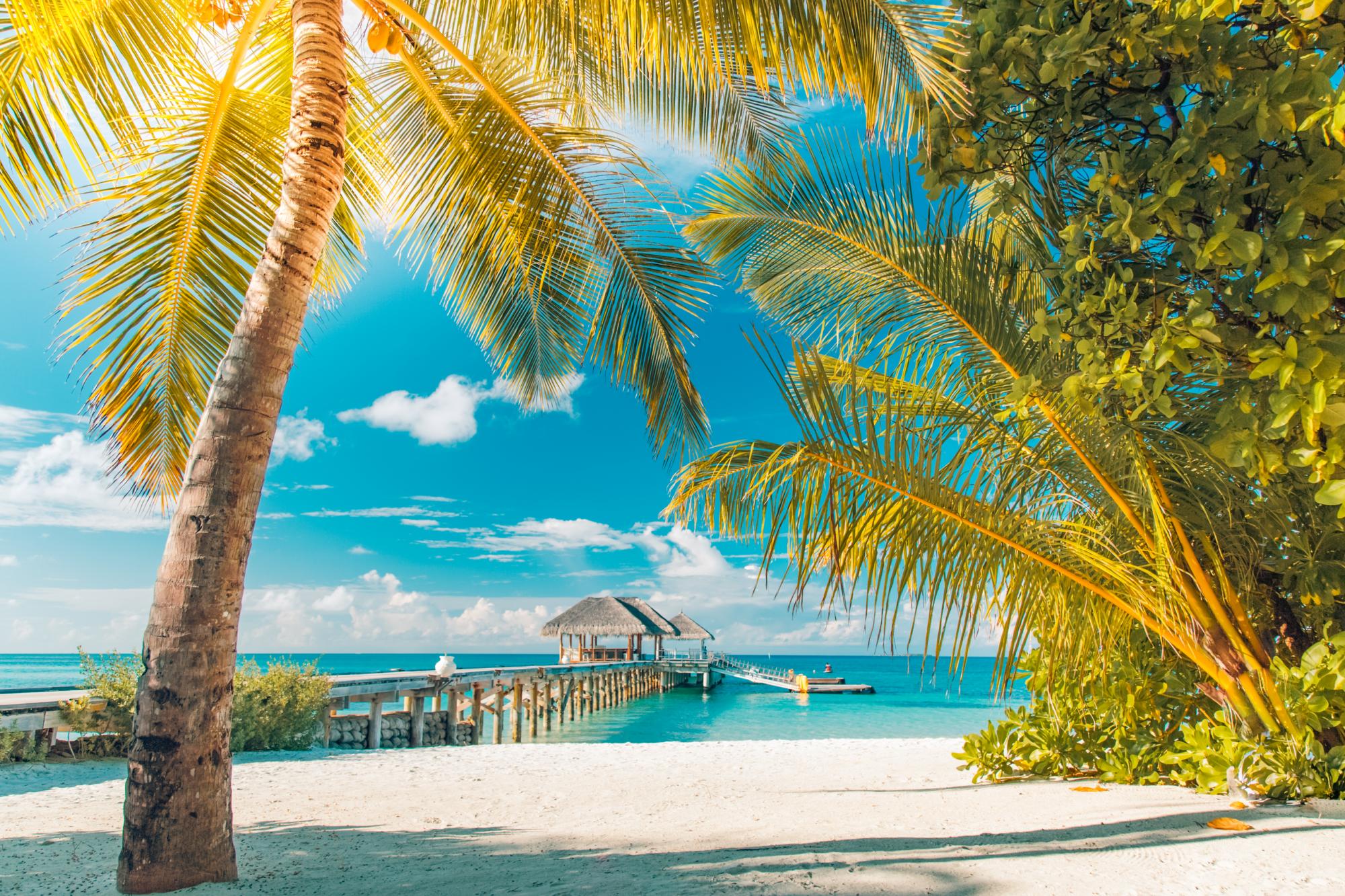
One of Tubagua's remote beaches © levente bodo / Getty Images
Tubagua, Dominican Republic
Thatched-roof bungalows in the jungle and community-supported forms of tourism
In a country where few tourists explore beyond the bar of their all-inclusive resort, Tubagua offers a less crowded alternative. Perched on the cusp of the Northern Cordillera and cut in two by the Ruta Panorámica, a serpentine road connecting the cities of Puerto Plata and Santiago de los Caballeros, Tubagua is one of the best eco lodges in the Caribbean. Located in the small village of Tubagua, where simple one-storey houses alternate with grassy pastures, the lodge has a spectacular elevated position and was built in the style of a traditional indigenous village. Here, amidst lush greenery and rolling hills, roadside stalls offer tropical fruits for all tastes and villagers buy bottles of rum filled with petrol to fill up their scooters.
Radically different from the coast in pace and culture, Tubagua is the perfect place to absorb all the nuances of authentic Dominican life and support community-run tourism projects. If you prefer mountain breezes and the chirping of cicadas to merengue, you could reach nirvana here.
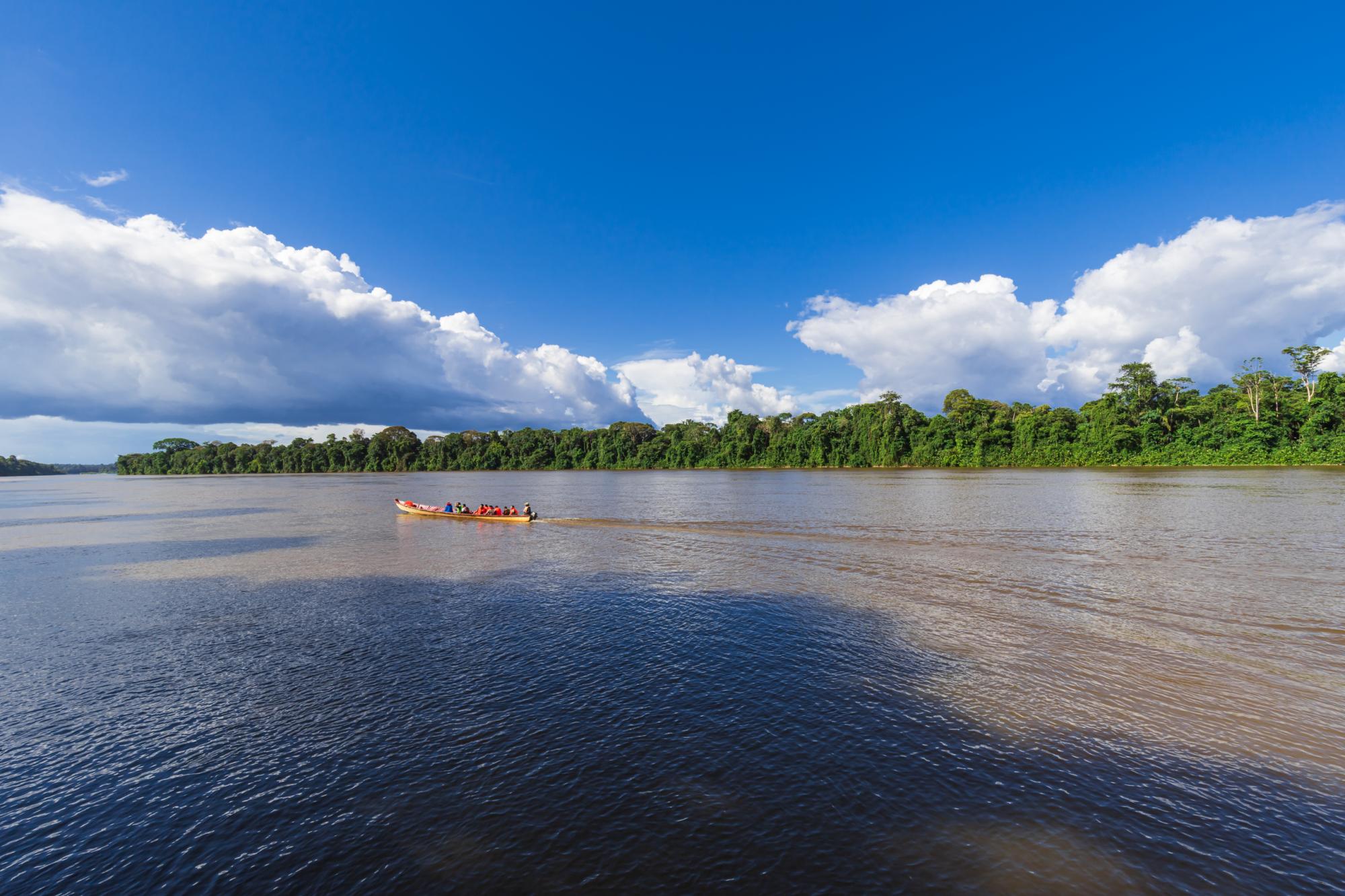
Along the Suriname River in Brokopondo, Suriname © Parie Albadar / EyeEm / Getty Images
Suriname
A corner of South America where cimarrones and Native Americans rule
Suriname is not only the smallest country in South America, but also the least visited. In fact, this tiny corner of the continent, well off the Gringo Trail, offers a very different travel experience from the beaten track. Moreover, after the coups and civil war of the 1980s, today Suriname is statistically one of the safest countries in South America to visit. Tucked away in the mouth of the Suriname River, the sultry Dutch colonial capital Paramaribo is full of UNESCO heritage buildings, nightclubs and excellent restaurants serving spicy fusion cuisine, influenced by the various ethnic groups that make up the country's population, mostly descendants of escaped African slaves (known as cimarrones), Indian, Indonesian and Chinese labourers, British and Dutch settlers and Native Americans.
The old colonial villas symbolise a dark chapter in Suriname's history, when it was one of the most brutal slave colonies in the world. Just a few hours away by road or boat, the nation's wild jungles cover more than 90 per cent of its territory - an opportunity to spot wildlife and delve into the culture of the cimarrones.
Big Bend National Park, Texas, United States
Its isolated location prevents this Texas park from being overrun by hordes of tourists
Mountains meet desert in Big Bend, a vast national park tucked away in a remote corner of West Texas. Between steep-sided canyons, sharp peaks and a river corridor through the bush, this vast expanse of wilderness offers a wide range of adventures. You can spend the day hiking challenging trails, paddling along placid rivers or soaking in natural hot springs pools, then finish by stargazing in one of the world's largest Dark Sky Parks. Big Bend is also a paradise for budding ornithologists with over 450 species of birds, the most diverse winged population of any national park in the United States.
Bear in mind that Big Bend is quite isolated. It is more than three hours from the nearest airport and even by car it is far from anywhere (it is at least an eight-hour drive from Dallas and Houston). Yet it is precisely this isolation that has saved it from over-exploitation. The national park receives less than 10% of the Grand Canyon's visitors, and multi-day excursions - such as rafting on the Rio Grande - do not require reservations many months in advance.
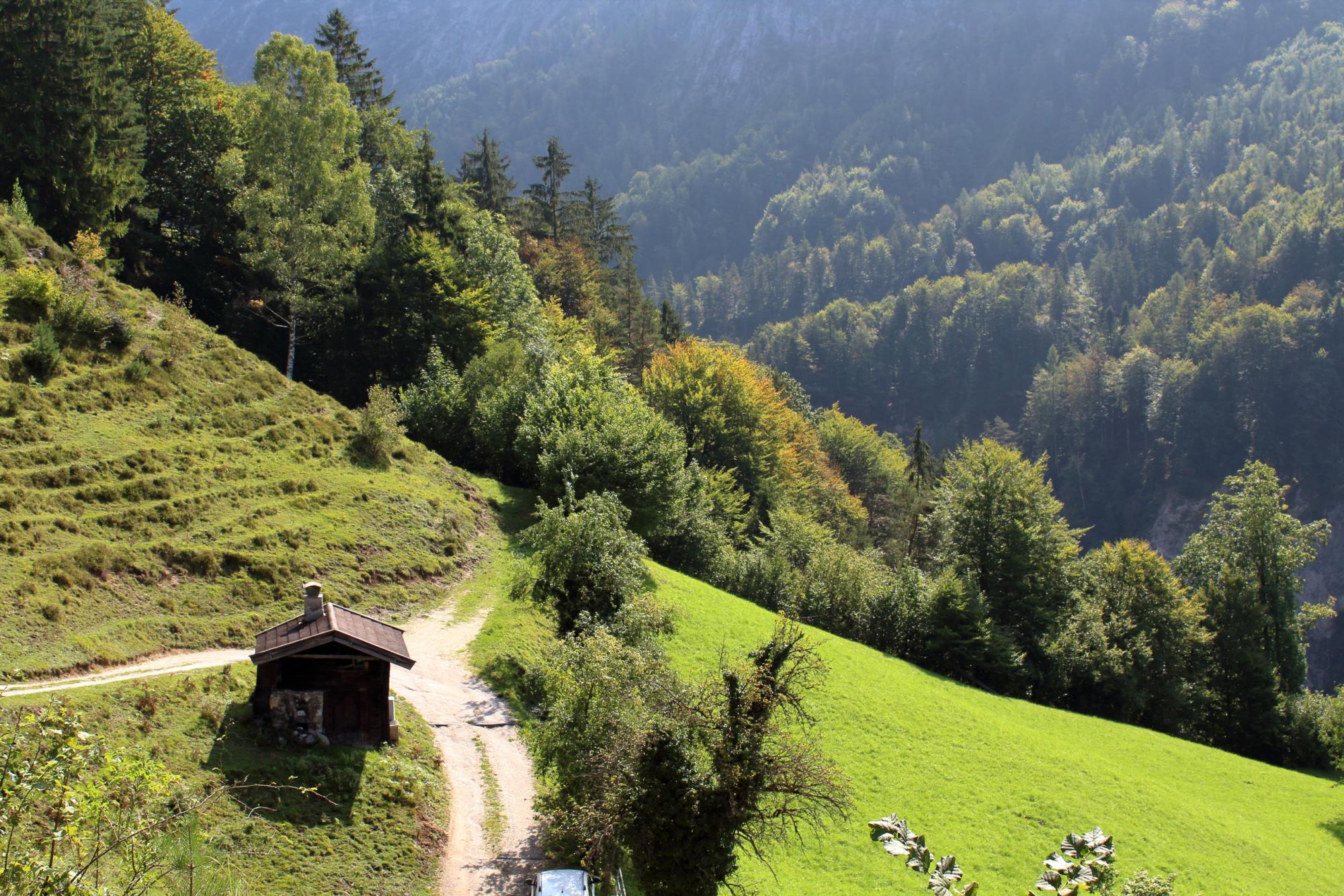
Trail in Kufstein, Austria © Mariangela Cruz / Shutterstock
Kufstein, Austria
Forget Salzburg: this Tyrolean beauty is the real Alpine fairytale
Do you like the idea of visiting Salzburg but fear the crowds? We suggest Kufstein, in Tyrol, in the middle of the Bavarian Alps and only one hour by train from Salzburg. This town could make the eyes of anyone who loved Grimm Brothers' tales as a child twinkle: pastel-coloured houses lining cobbled alleys, lantern-lit taverns, a medieval fortress towering above the river Inn, fir forests, meadows where cows graze at the foot of jagged, snow-capped mountains. This romantic town is the perfect example of the dreamy Austrian Alpine scenery.
Kufstein experienced fleeting moments of glory thanks to the 1970s popular song 'Die Perle Tirols' ('The Pearl of Tyrol'). And indeed, its scenery makes you want to sing a mighty yodel, whether you are hiking in the Kaisergebirge, cross-country skiing, or lazing by the lake. Kufstein offers a taste of culture and great outdoor adventure.
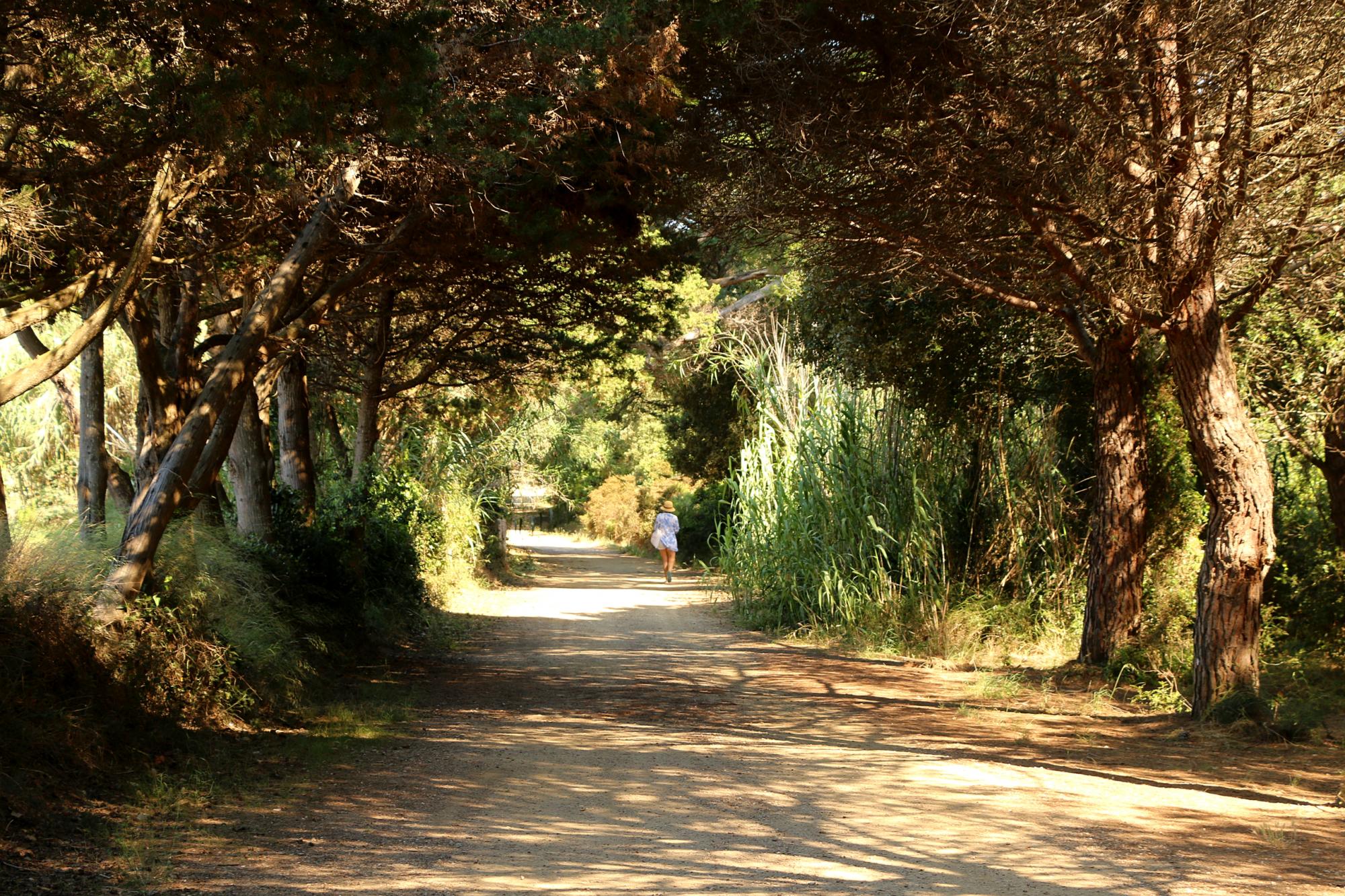
Walk on Porquerolles Island, Hyères, France © Daniele Novati / Shutterstock
Hyères, France
Beyond the lavender fields of Provence lies this medieval town divided between mainland and islands in the Mediterranean
Whoever visits Provence inevitably heads for fashionable cities like Cannes, Cap d'Antibes or St Tropez, Hyères rarely makes the itinerary. Yet, it is a destination of historical interest and includes some of the most beautiful islands in the south of France. The settlement dates back to the Phoenicians in the 4th century BC, who were then driven out by the Hellenistic Greeks, who were in turn driven out by the Romans.
It later became the property of the Viscounts of Marseille, before the incorporation of Provence into modern France. . Those who drive through without stopping miss the opportunity to admire the Vielle Ville (old town) partially surrounded by walls. The best of Hyères is concentrated in the old town and the gardens above it. But most enticing of all are the Îles d'Hyères, three mermaid islands also known as the Îles d'Or (Golden Islands).
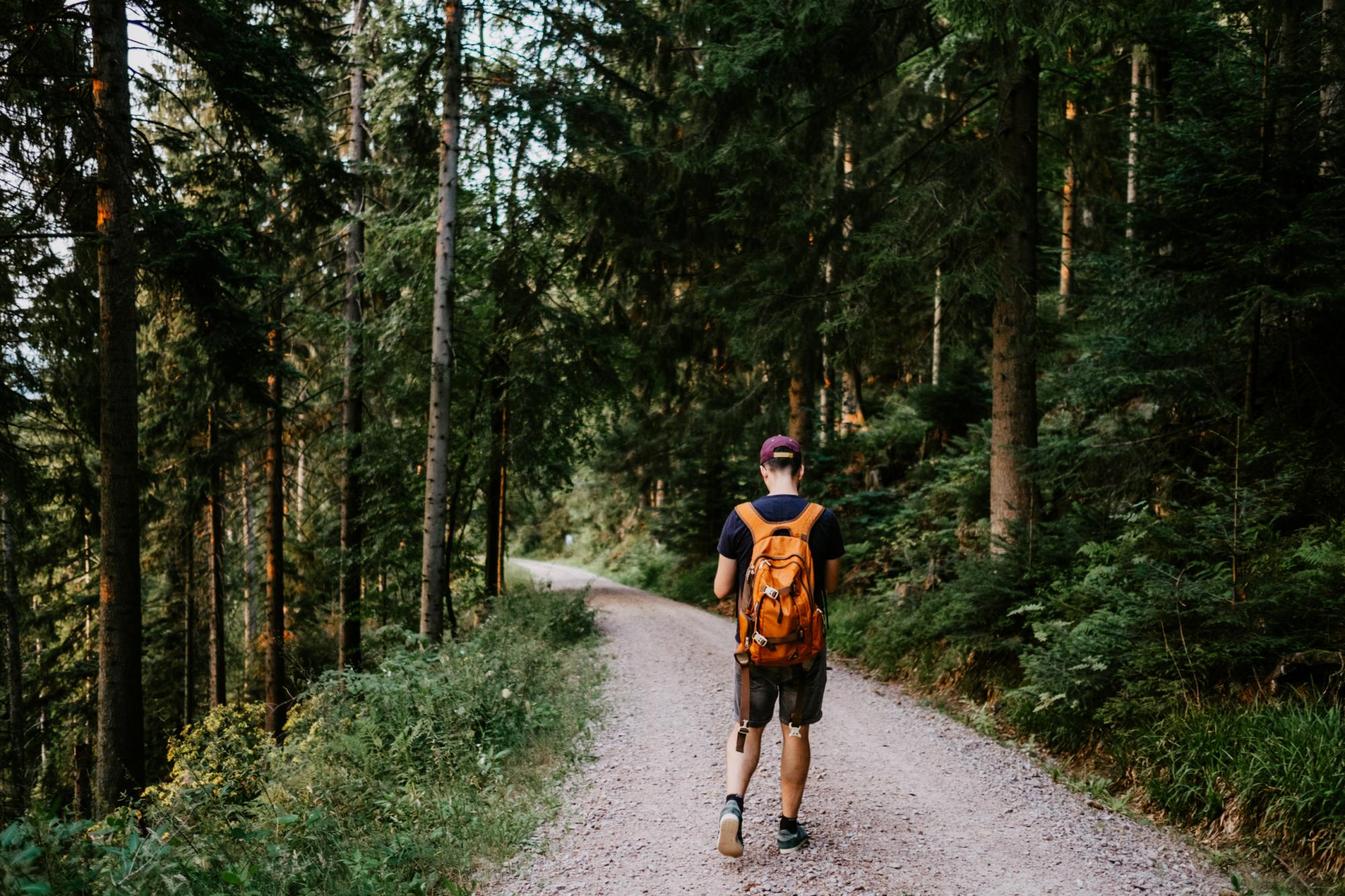
Hiking in the Black Forest near Freiburg, Germany © Lisa Schaetzle / Getty Images
Freiburg and the Black Forest, Germany
A pioneering eco-town enveloped in the silence of the alpine forest
Wasn't the Black Forest in Bavaria? No, but it is a little further afield. It boasts equally idyllic and fairytale-like forests and villages with half the number of tourists. Cuckoo clocks and others aside, a vast area of this region cloaked in fir trees and valleys has thankfully remained off the tourist radar. Be enchanted by its magic as you explore its remote corners on foot, by bicycle or by road. In the Black Forest National Park, fir forests thicken, interspersed with dark wood farms and glacial lakes that stretch like dark blue silk sheets. Walking gently through the forest at first light, you will find a form of peace that is more unique than rare. Glide on snowshoes or cross-country ski when it snows in winter and the fairytale picture will be complete.
Sustainable? Natürlich. The Schwarzwald is Germany's number one green destination, protected by the eco-sustainability star that has led to a UNESCO World Heritage Site designation for a new Biosphere Reserve, ultra-green cities like Freiburg illuminated by solar power and miles of hiking trails and diligently marked bike and e-bike paths.
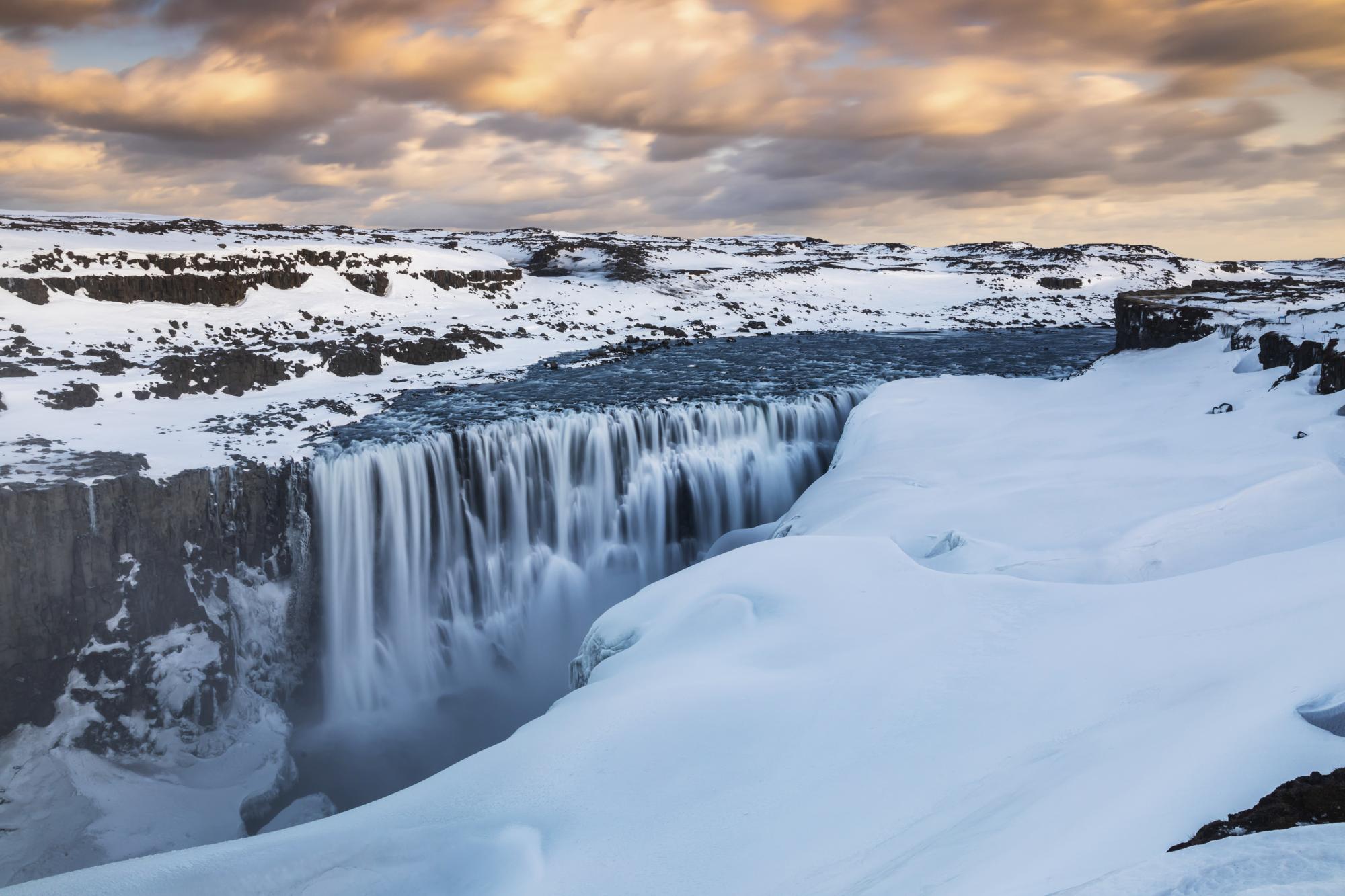
Dettifoss Waterfall in Vatnajokull National Park, North Iceland © Anton Petrus / Getty Images
North Iceland
Follow the Arctic Coast along Iceland's Atlantic Crown
No doubt about its spectacularity, this Atlantic island has suffered from a massive dose of overexposure (around two million visitors a year before the pandemic, more than five times the population of Iceland). You might be wondering why then it falls under the off-the-beaten-path destinations? Because most visitors to Iceland only explore a small part of the island. From the capital Reykjavík, tourists are attracted by big attractions such as Gullfoss, Geysir and the Blue Lagoon and perhaps the glaciers of Skaftafell or the icebergs of Jökulsárlón if they have time to push along the southern Ring Road.
Many fewer venture north, missing out on an extraordinary and uncrowded slice of Iceland. Tortuous coastal roads flank deserted headlands. Beaches at the end of the world straight out of a Bergman film. Geothermal pools in the middle of nowhere. Peculiar towns, bizarre museums and strange lava caves. Ghostly islands where birds outnumber people 10,000 to one. Sure, it takes a bit of effort and a spirit of adventure to escape the crowds, but once you set off, you'll taste Iceland at its rawest and most desolate.
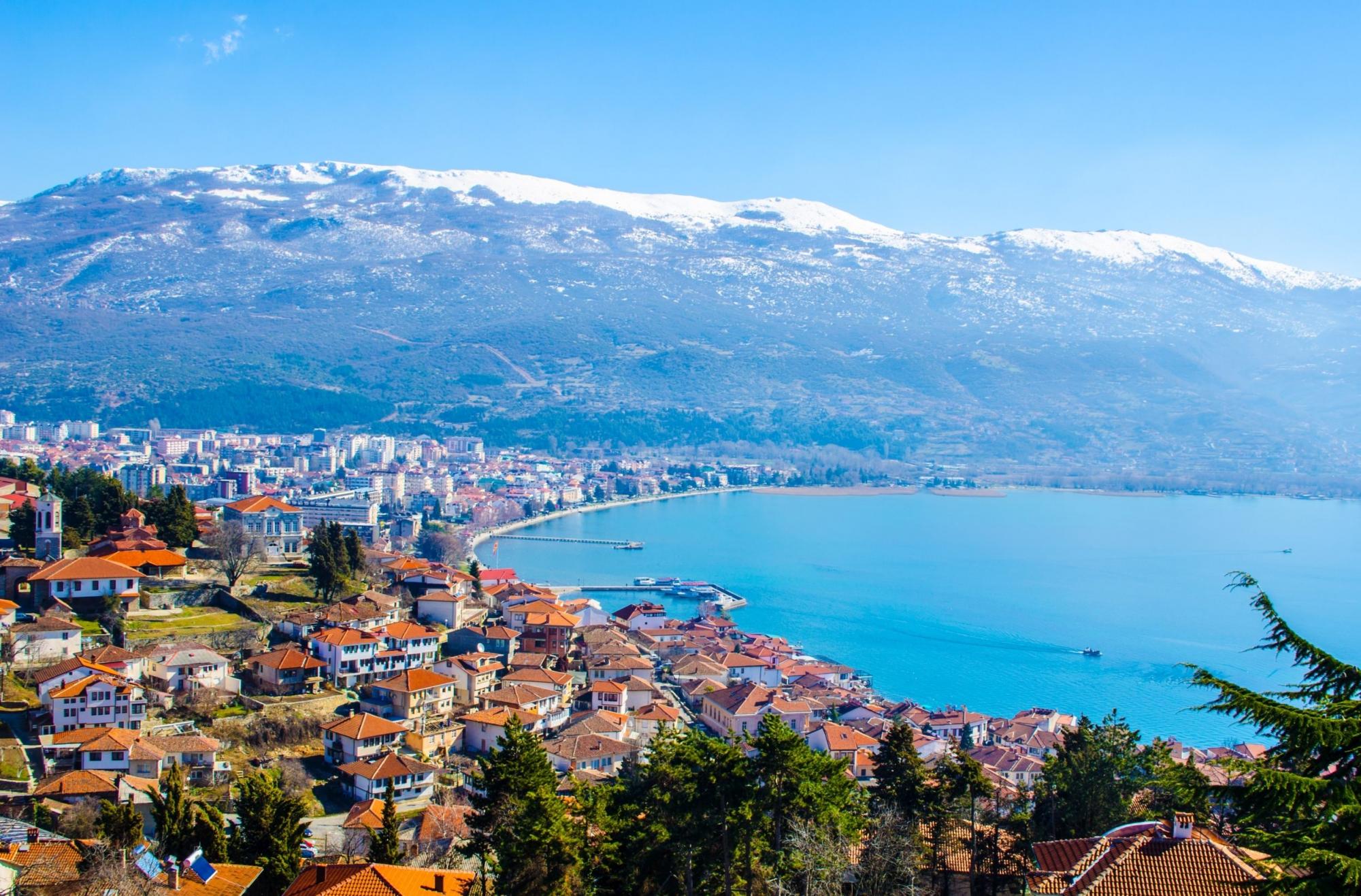
Lake Ohrid, North Macedonia © trabantos / Shutterstock
North Macedonia
Europe's last frontier is this ancient beauty in the Balkans
Compared to Croatia's 60 million annual visitors and Albania's 6million, North Macedonia seems like a no-man's land: fewer than 800,000 international tourists arrived here in 2019. Undoubtedly, the landlockedness diminishes the attractiveness, although the feeling is almost the same when you stand on the enchanting pebble beach on the medieval Ohrid Lake. Between the enormous Lake Ohrid and Lake Prespa, North Macedonia is also defending itself on the 'water' tourism front. And the wonders do not end there.
Large expanses bordered by canyons and mountains, a series of undeveloped national parks where quiet hiking trails pass various Ottoman-era villages with pencil-thin minarets, slow food producers and tourist activities organised by local communities. Finally, the complex past of North Macedonia where Greeks, Romans, Ottomans and Yugoslavs mingle. These roots are recounted in the museums of Skopje, one of Europe's craziest and most irresistible capitals.