How often do we discuss distant journeys and exotic destinations, filling our eyes with vivid intentions, but then the times dictated by real life force us to scale down the scope of our outings. This is why it is important to have a plan B, not far from home, so that we have quality and easily accessible escape routes. One of these is the Maira Valley, tucked away to the north-west of Cuneo, in Piedmont.
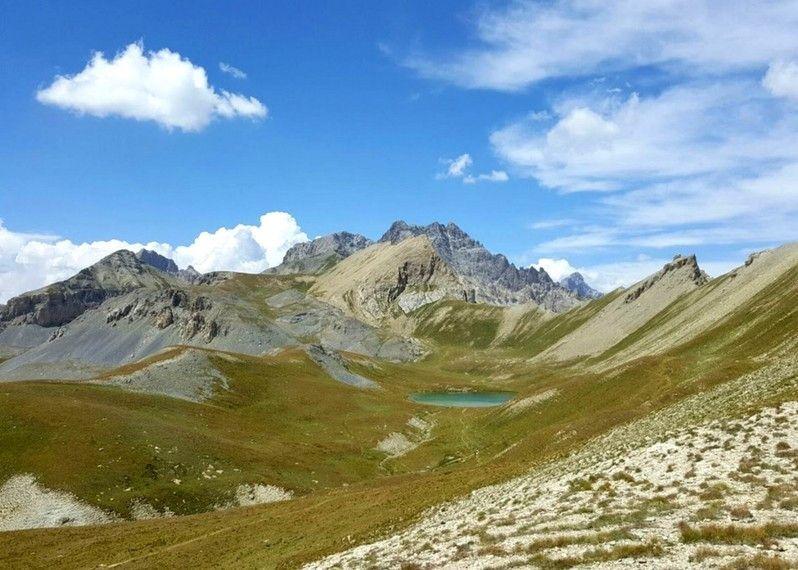
Upper Maira Valley, Piedmont. ©Giulia Grimaldi/Lonely Planet Italy
What to see
Splendid, sumptuous and green like few others, in this wild valley urbanisation seems to have had the worst of it compared to lush nature.
- The frescoed chapels and shady little churches scattered throughout the territory bring back, as if from a spell, a profound Middle Ages.
- The Occitan identity (deeply rooted in all the villages) is affirmed with the vigour of the flags on the balconies and the language sung and danced in the summer evenings.
- Above all, there is the tiny municipality of Elva, perched amidst pastures and impervious roads, where the poetry of one of the masterpieces of Piedmontese art blends with the lyricism of nature.
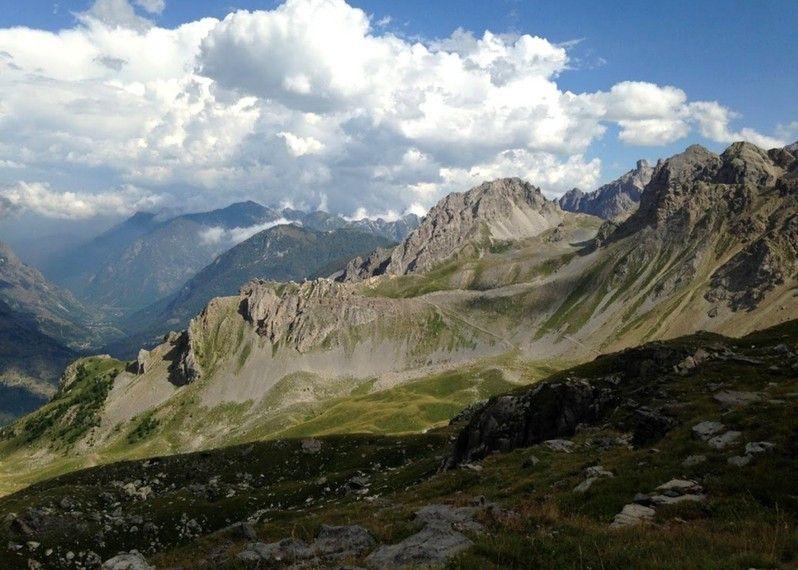
Panorama from the upper Maira Valley, Piedmont ©Giulia Grimaldi/Lonely Planet
Going up the valley - Travelling through time
Dronero
When the high mountains call, it is difficult to ignore them. However, Dronero, at the beginning of the valley, is an irresistible temptation. Crossing the suggestive Devil's Bridge, dating back to 1428, one discovers the village lying along the Maira river. Strolling under the arcades of the central street, one overlooks the valley and can familiarise oneself with the local culture through a multimedia tour to discover the history, language and peculiarities of Occitan culture, in theEspaci Occitan museum. A compulsory stop is the Brignone Patisserie, whose superlative bitter cake will sweeten any mood. Also try the covered droneresi.
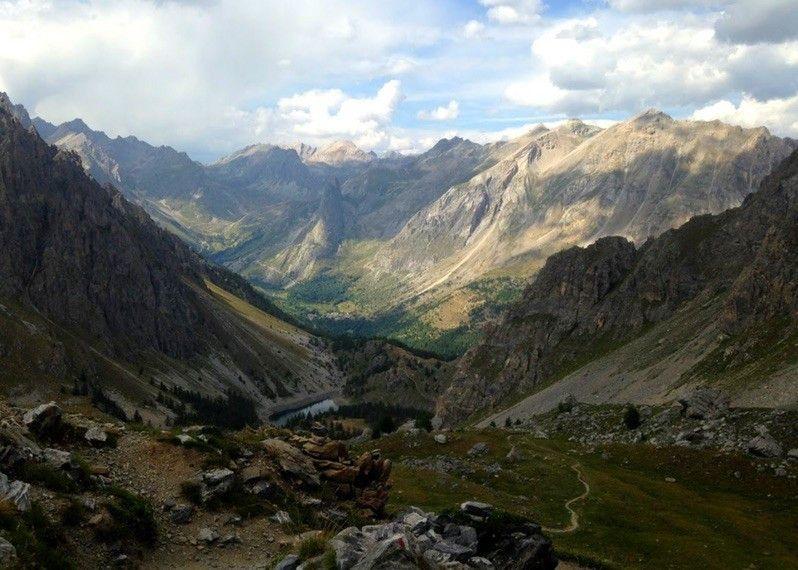
Sentiero Frassati, Maira Valley - Piedmont. ©Giulia Grimaldi/Lonely Planet
Villar San Costanzo
Reachable from Dronero with a 5 km diversions, this village has little to envy the mystical sites of Stonehenge: in the Ciciu del Villar Nature Reserve, fairy-tale geological formations sprout like large stone mushrooms, exalting the imagination of young and old alike.
The magic of the park hovers in the air: you will feel it when visiting the Parish Church of San Pietro in Vincoli, of Lombard origin; when visiting the Sanctuary of San Costanzo al Monte, built on the site where the martyr is said to have been beheaded in the 4th century. Here vertiginous figures of monsters and animals sculpted in the capitals will observe you from above, perched 2 kilometres above the village on an impassable road.
Subscribe to our newsletter! For you weekly travel tips, special offers, stories from the world and 30% discount on your first order.
From San Damiano Macra to Marmora
Stories of an ancient people live on in these villages, where the rich examples of medieval art give a glimpse of a time when the valley was full of people dedicated to manual labour, but also to the arts and celebrations (you cannot leave the valley without tasting a glass of pastis).
If you want to experience the most authentic Maira Valley, head through a dense forest towards Celle di Macra, where the parish church of San Giovanni houses a wonderful polyptych by Hans Clemer (1496), but what will remain most memorable about your trip will be the stop at the little grocery shop opposite, where, while you are there, a hearty cheese and anchovy sandwich is not to be missed.
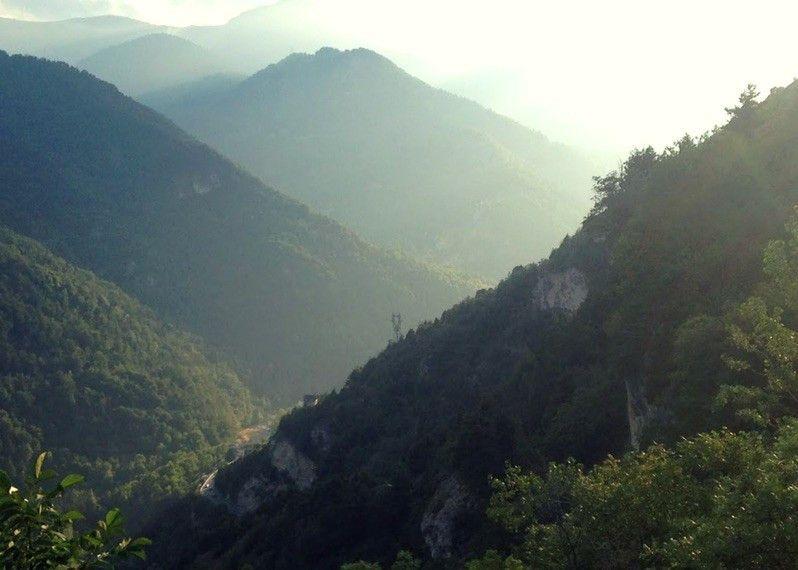
The Cyclamen Path, Maira Valley, Piedmont. ©Giulia Grimaldi/Lonely Planet
Europe's highest masterpiece
What could one possibly find in a small hamlet lost in the pastures, at an altitude of 1687 metres, permanently inhabited by just 30 people and reached only after kilometres of hairpin bends? Cows as if it were raining, the unaware traveller would answer, perhaps a beautiful panorama or, again, litres and litres of genepì to warm oneself with on icy winter nights. And yet in Elva, in the upper Maira Valley, in addition to all this, one encounters one of the greatest masterpieces of sacred art in Piedmont: the frescoes by Hans Clemer (1496-1503) in the presbytery of the Parish Church of Santa Maria Assunta (Borgata Serre).
Also not to be missed is the Pels Museum, which tells of one of the most curious trades and customs among the valley dwellers in the second half of the 19th century: that of the hair collector, who travelled the plains in search of hair to be worked on by women and then sent to wholesalers to make fine wigs for aristocrats and lords.
Hikes and trails
A valley such as this, however, can only be truly experienced by leaving the main road, and with it the car, to plough on foot the paths that criss-cross it, opening up majestic scenery that mocks the borders and reaches as far as France. The Maira Valley is, for hikers and sports enthusiasts, a true place of bliss.
- Tours. The Percorsi Occitani association provides information on the 14-stage, 177-kilometre tour through the valley.
- Cyclamen Path. A ring-route (about two hours and thirty minutes), very suitable for those travelling with children, is the almost flat Cyclamen Path (in bloom between July and August), which starts from the town hall square in Macra and passes through the Caricatori and Camoglieres hamlets.
- Frassati Path. This is also a route that does not present any particular difficulties and offers much beauty, but just stray a little from the marked path and even the most demanding mountaineer will find something to enjoy.
Ski touring
The Acceglio Base Camp, almost at the end of the valley, at an altitude of 1650 metres, is an excellent starting point for itineraries ranging from a few hours to several days, rock and ice climbing routes, ski mountaineering, free cross-country skiing and mountain biking routes.
How to get there
Cuneo is easily reached by car and train. From here, if you don't intend to drive, you can go by bus to Dronero and Acceglio, and thus begin your visit to the Maira Valley.